Sustainable Streetwear Breakdown: Upcycled Canvas Outerwear Savings
Advertisements
Sustainable streetwear, upcycled canvas outerwear can support lower long-term clothing costs when durable garments are worn, repaired, and kept in use for longer.
However, a 25% annual saving is not guaranteed and depends on purchase price, durability, maintenance, and individual buying habits.
Sustainable Streetwear reflects growing interest in longer-lasting and circular fashion. The 25% figure should be treated as an illustrative target rather than a universal result.
Advertisements
Upcycled outerwear can create value by keeping existing materials in use instead of immediately relying on newly produced fabric. Durable construction may also reduce replacement frequency.
The actual financial outcome depends on how much a garment costs, how often it is worn, and how long it remains usable. Upcycled pieces are not automatically cheaper than conventional clothing.
The Rise of Upcycled Canvas in Sustainable Streetwear
Upcycling has become increasingly visible within circular fashion because it transforms existing garments or materials into new products. This approach can extend material use before disposal or recycling.
Canvas is particularly suitable for some Sustainable Streetwear applications because it can provide structure and abrasion resistance. Actual durability still depends on fiber, construction, previous use, and garment quality.
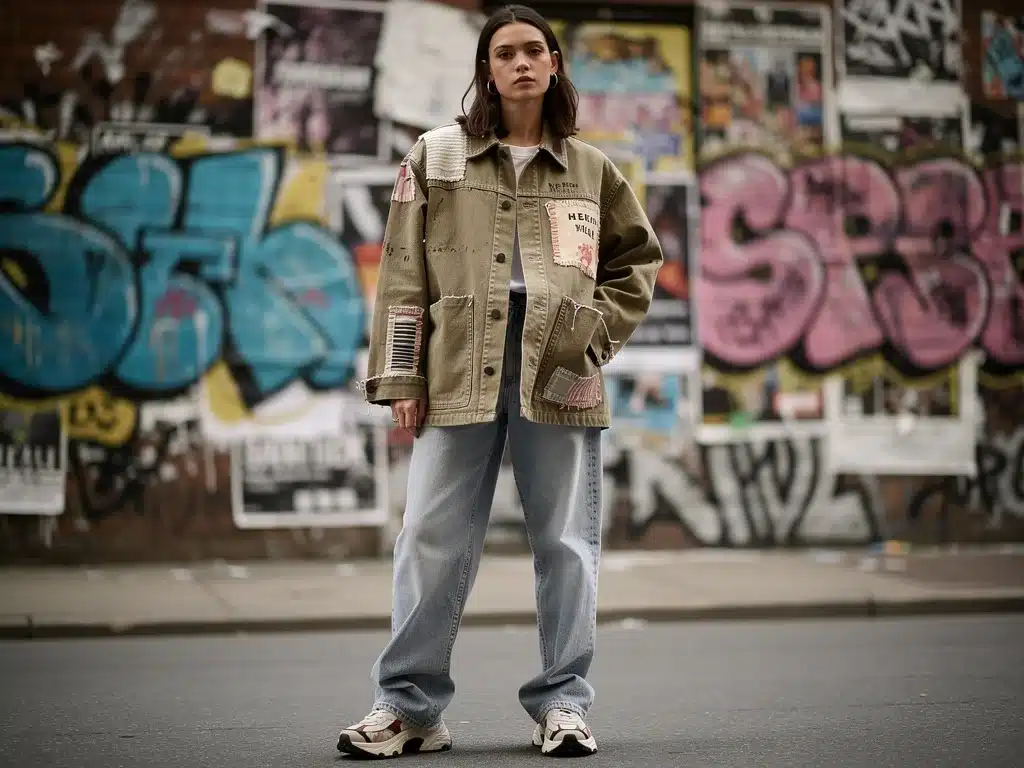
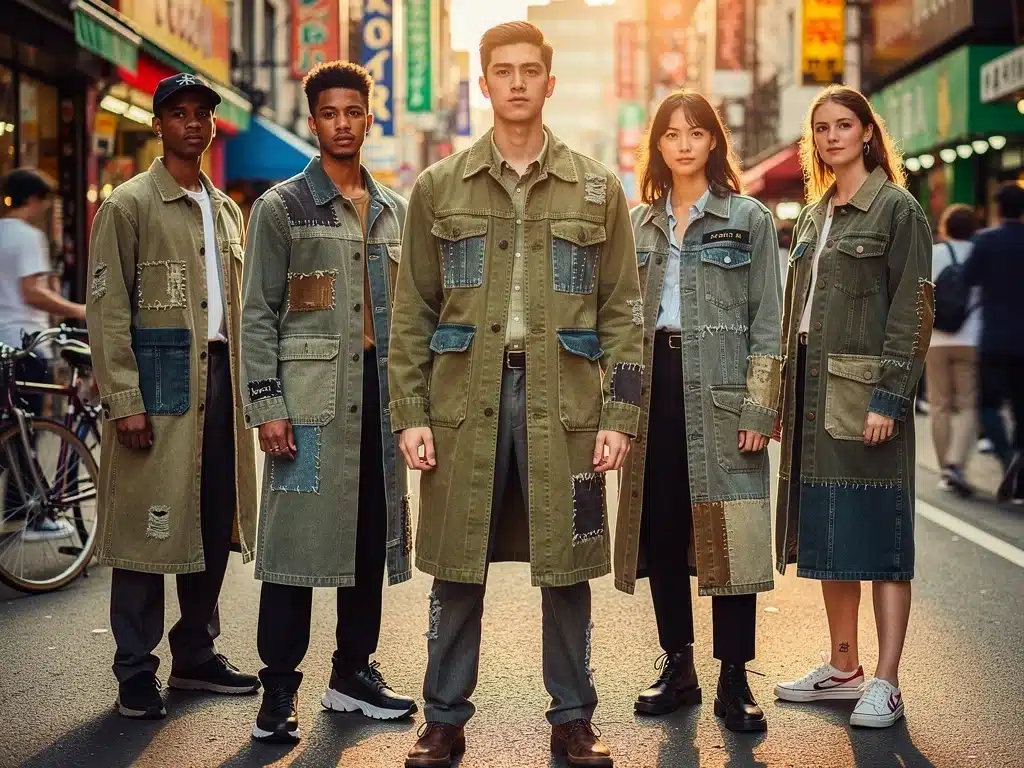
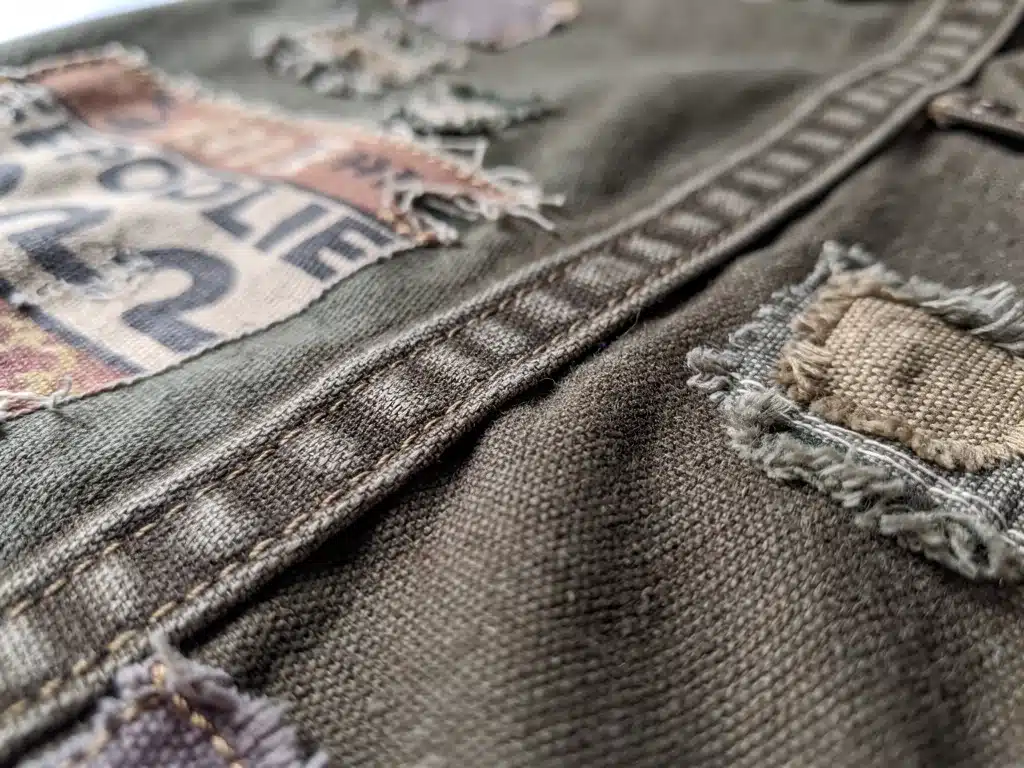
Visible seams, patches, fading, and material variation can also complement the streetwear aesthetic. These characteristics can make remade garments visually distinct from mass-produced pieces.
Economic Benefits for Consumers
The strongest financial argument for upcycled outerwear comes from extended use rather than a guaranteed discount at purchase. A durable jacket worn frequently may reduce cost per wear.
Repairable construction can also delay replacement when zippers, seams, panels, or other components can be fixed. This benefit depends on repair cost and garment condition.
There is no reliable evidence that consumers universally save 25% annually by choosing upcycled canvas. Savings must be calculated against actual purchase and replacement behavior.
Environmental Impact and Resource Conservation
Upcycling can keep existing textiles in circulation and delay their movement into waste streams. Circular-fashion frameworks emphasize using products and materials for longer.
Reusing intact material may also reduce the need for some virgin textile production. The precise environmental benefit depends on cleaning, transport, reconstruction, and additional materials used.
Therefore, upcycled clothing should not automatically be described as impact-free or universally sustainable. Its advantages are strongest when remaking meaningfully extends useful material life.
Understanding the 25% Annual Savings
The 25% savings figure should not be presented as an established market statistic. Consumer savings vary substantially according to wardrobe size, pricing, repair habits, and garment longevity.
A more useful measure is cost per wear, which compares a garment’s purchase and maintenance costs with how frequently it is actually used. Longer use can lower that figure.
Upcycled outerwear may therefore create savings for some consumers without producing the same percentage for everyone. Any financial claim should be tied to a defined scenario.
Lower Production Costs Translate to Consumer Savings
Using existing material can reduce the need to purchase newly manufactured fabric. However, raw-material savings are only one part of the final production cost.
Upcycling frequently requires sorting, cleaning, cutting, repairing, and reconstructing inconsistent materials. Those labor-intensive steps can increase manufacturing costs rather than reduce them.
Retail prices therefore vary widely across upcycled products. Consumers should compare construction, durability, and price instead of assuming reused material always means a cheaper garment.
Durability and Longevity of Canvas
Canvas can be a durable material, particularly when made with appropriate fibers and substantial construction. Material name alone does not guarantee a long service life.
Seam quality, reinforcement, hardware, abrasion exposure, washing, and previous material condition all influence durability. Upcycled canvas can perform well when these factors are managed carefully.
Longer use can support both economic and environmental benefits by delaying replacement. Sustainable Streetwear buyers should therefore evaluate construction rather than relying only on appearance.
The Sustainable Streetwear Connection: Style Meets Sustainability
Streetwear often values individuality, utility, customization, and visible cultural references. Upcycled garments can fit naturally into that environment because material variation creates distinctive pieces.
Repurposed canvas may include faded surfaces, repairs, patches, or contrasting panels. These characteristics can become intentional design elements rather than defects.
Sustainable streetwear can therefore combine visual identity with longer material use. Environmental claims should still be evaluated separately from aesthetic appeal.
Influencer and Brand Adoption
Designers, creators, and fashion brands can increase awareness of remade garments by showing how they fit into contemporary outfits. Social platforms make these products easier to discover.
Brand participation also helps move upcycling beyond small independent workshops. Circular-fashion organizations report increasing business interest in resale, repair, and remaking models.
Visibility does not necessarily prove that the category is mainstream or universally preferred. Consumer adoption still depends on price, design, availability, and perceived quality.
Customization and Unique Aesthetics
Upcycled materials naturally vary in color, wear, stitching, and surface condition. Designers can use those differences to produce garments with less visual uniformity.
Embroidery, patches, panel replacement, and visible repair can further personalize a piece. These techniques also align with Sustainable Streetwear traditions of modification and individual expression.
Uniqueness can increase emotional attachment and encourage longer use for some owners. However, distinctive design does not guarantee higher resale value or future appreciation.
Challenges and Opportunities in the Upcycled Market
One challenge is obtaining consistent quantities of suitable recovered material. Unlike standardized new fabric, used textiles can vary substantially in dimensions, condition, and performance.
That variability can complicate large-scale manufacturing and quality control. Labor requirements can also make remade garments harder to produce cheaply at high volume.
At the same time, circular business models involving repair, resale, and remaking are attracting greater industry attention. Policy discussions in 2026 are also focusing on helping these models scale.
Ensuring Quality and Consistency
Brands need inspection standards for strength, contamination, damage, and usable material area before recovered canvas enters production. Not every discarded textile is suitable for remaking.
Construction quality is equally important because weak seams or hardware can shorten garment life regardless of the fabric’s origin. Repairability should also be considered during design.
Clear product descriptions can help consumers understand why color, texture, or markings vary between pieces. Transparency turns unavoidable variation into informed expectations.
Market Growth and Future Projections
Circular fashion is receiving increased attention through resale, repair, rental, and remaking models. These approaches aim to generate value while keeping garments in use longer.
However, projections for upcycled canvas specifically are less established than forecasts for circular fashion as a broader category. Precise growth claims should therefore be treated cautiously.
Future adoption will depend on scalable sourcing, consumer demand, product quality, and competitive pricing. Better repair and resale infrastructure could also support wider acceptance.
Consumer Behavior: Shifting Priorities
Some consumers are paying greater attention to durability, repairability, resale, and material origin when buying clothing. These concerns coexist with price, fit, style, and convenience.
Secondhand and circular models provide alternatives to purchasing newly manufactured garments every time. They can also extend the economic value already embedded in clothing.
Consumer behavior remains diverse, so sustainability should not be presented as the dominant priority for every shopper. Purchasing decisions usually involve multiple competing considerations.
Impact of Social Media and Advocacy
Social platforms make repair, thrift, resale, customization, and upcycling techniques highly visible. Creators can demonstrate these practices without relying on traditional fashion advertising.
Visual storytelling can also explain how older materials are transformed into new garments. This helps consumers understand the process behind a remade product.
Brands should still avoid unsupported sustainability claims when promoting these pieces. Credible communication requires information about materials, sourcing, construction, and product life.
Long-Term Value vs. Fast Fashion
Long-term value depends on how often a garment is worn and how long it remains functional. A low purchase price does not necessarily produce the lowest cost per wear.
Durable, repairable clothing can offer better value when it replaces multiple short-lived purchases. This outcome is possible with both upcycled and conventionally manufactured garments.
Upcycled canvas therefore has potential advantages, but material origin alone does not determine quality. Construction, care, repairability, and continued use remain equally important.
| Key Point | Brief Description |
|---|---|
| Consumer Savings | Longer wear and fewer replacements may reduce costs, but 25% annual savings are not guaranteed. |
| Environmental Impact | Remaking can keep existing materials in use and reduce demand for some newly produced textiles. |
| Streetwear Appeal | Material variation, repairs, and customization can create distinctive Sustainable Streetwear aesthetics. |
| Market Growth | Circular models are expanding, although upcycled canvas remains a more specialized category. |
Frequently Asked Questions About Upcycled Canvas Outerwear
It refers to jackets, coats, or similar garments made by remaking existing canvas products or components. Sources can include previous garments, surplus material, bags, workwear, or other suitable textiles.
It may save money when a durable piece remains in use longer and reduces replacement purchases. Upcycled garments are not automatically cheaper, and there is no universal 25% annual savings rate.
It can support circularity by extending material use and reducing some demand for virgin resources. The total impact still depends on sourcing, processing, cleaning, transport, durability, and eventual disposal.
Canvas can provide rugged texture, visible wear, patchwork, and customization opportunities. These characteristics fit Sustainable Streetwear frequent emphasis on individuality, utility, and distinctive visual identity.
Potential drawbacks include inconsistent sizing, material variation, limited quantities, and higher labor costs. Quality also varies, so buyers should examine construction, condition, care requirements, and return policies.
Perspectives
The Sustainable Streetwear highlights a genuine opportunity, but the 25% figure should not be treated as proven.
The stronger case for upcycled canvas is based on material reuse, durability, repairability, and longer wear. Those factors can create both environmental and economic value.
Future growth will depend on quality, scalable sourcing, transparent claims, and competitive pricing. Consumers should judge individual garments by performance rather than the upcycled label alone.