Water-Based vs Solvent-Based Aerosol Murals: UV Resistance After 36 Months
Advertisements
Aerosol mural UV resistance is a critical factor for artists and public art planners who want outdoor work to maintain color, adhesion, and surface quality over time.
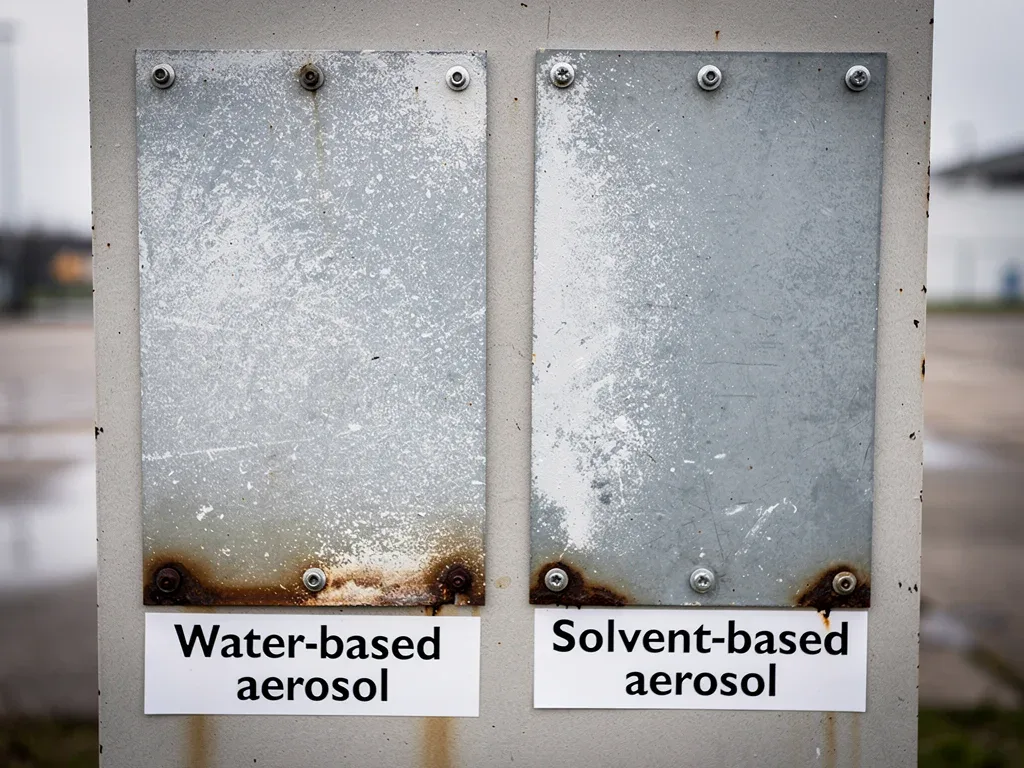
After 36 months of sun exposure, differences between water-based and solvent-based aerosol paints become easier to evaluate in terms of fading, chalking, and film durability.
Understanding how paint chemistry, pigments, surface preparation, and protective coatings interact can help improve the long-term performance of outdoor murals.
The Criticality of UV Resistance in Public Art
Outdoor murals are constantly exposed to sunlight, weather, temperature changes, and pollution, all of which can affect color and surface integrity over time.
Ultraviolet radiation is particularly important because it can break down pigments and binders, causing fading, chalking, and reduced adhesion.
For artists and planners, understanding aerosol mural UV resistance helps guide material selection and long-term maintenance decisions.
Methodology Behind 36-Month UV Resistance Studies
UV resistance studies typically compare water-based and solvent-based aerosol paints applied to standardized surfaces under controlled application conditions.
The test panels are then exposed outdoors and monitored periodically for color change, gloss loss, chalking, cracking, and other visible signs of degradation.
A 36-month observation period provides useful long-term data because it captures more than the initial performance seen during short laboratory or accelerated tests.
Water-Based Aerosols: Performance After 36 Months
Water-based aerosols are often chosen for lower solvent content and reduced VOC emissions, but durability remains an important consideration for outdoor applications.
After extended exposure, some formulations may show visible fading or pigment change, especially in colors that are naturally more sensitive to ultraviolet radiation.
Higher-quality products with stronger binders and more stable pigments can perform considerably better, showing that formulation quality matters as much as paint category.
Color Stability and Pigment Degradation
Pigment chemistry plays a major role in aerosol mural UV resistance, with some inorganic pigments generally maintaining color better than more sensitive organic alternatives.
The binder also affects performance because high-quality acrylic systems can improve film integrity and reduce chalking or erosion during long outdoor exposure.
For projects expected to remain outdoors for years, combining a durable water-based paint with appropriate surface preparation and UV protection can improve longevity.
Fading: Can be more visible in certain reds, blues, and purples.
Chalking: Performance varies according to binder and formulation quality.
Gloss Retention: Some products maintain finish well, while others show gradual dulling.
Solvent-Based Aerosols: Durability Insights
Solvent-based aerosols have long been popular among graffiti artists because of their adhesion, coverage, drying characteristics, and outdoor durability.
Many high-quality solvent-based formulations maintain color and film integrity effectively after extended exposure, particularly when premium pigments and resins are used.
However, lower-cost products can still fade or degrade, reinforcing that durability depends on formulation quality rather than solvent content alone.
Binder Integrity and Film Resilience
Durable binder systems can help solvent-based aerosols resist cracking, peeling, and film erosion during prolonged outdoor exposure.
This stronger film structure often contributes to better long-term aerosol mural UV resistance, particularly in environments with intense sunlight and weather variation.
Artists still need to balance durability with environmental, safety, ventilation, and application requirements when choosing between paint systems.
Color Retention: Often strong in premium solvent-based formulations.
Film Integrity: Good resistance to cracking and peeling when properly applied.
Weathering: Performance depends heavily on formulation and surface preparation.
Factors Influencing UV Degradation Beyond Paint Type
Paint chemistry is only one factor affecting aerosol mural UV resistance, because location, climate, substrate, and application quality also influence long-term results.
Murals exposed to intense direct sunlight or highly reflective surroundings may experience faster fading than similar work positioned in partially shaded environments.
Surface preparation, primer quality, paint thickness, and protective coatings can therefore be just as important as choosing between water-based and solvent-based products.
Environmental Variables and Their Impact
Temperature swings, humidity, pollution, and salt exposure can interact with ultraviolet radiation and accelerate the deterioration of exterior paint films.
The substrate also affects durability because concrete, brick, wood, and metal each require different preparation and primer systems for reliable adhesion.
Artists should evaluate the entire environment before selecting materials so that the paint system matches the specific exposure conditions of the mural site.
Climate: High UV environments can accelerate color loss.
Pollution: Atmospheric contaminants may contribute to surface degradation.
Angle of Exposure: Walls receiving sustained direct sunlight can experience greater UV stress.
The Role of Clear Coats and Protective Layers
Protective clear coats can improve aerosol mural UV resistance by adding another barrier between sunlight and the pigmented paint layer.
Many modern coatings contain UV absorbers or light stabilizers designed to slow pigment and binder degradation during prolonged outdoor exposure.
Although a clear coat adds cost and another application step, it can reduce future maintenance and help preserve color for longer periods.
Advances in Protective Coating Technology
Newer protective coatings can combine UV resistance with additional properties such as abrasion resistance, chemical protection, or easier graffiti removal.
Different coating chemistries, including acrylic, urethane, and other systems, offer varying levels of durability and compatibility with mural paints.
Selecting the correct product requires attention to paint type, finish, substrate, environmental conditions, and manufacturer compatibility recommendations.
UV Absorbers: Help reduce the amount of damaging radiation reaching the paint layer.
HALS: Light stabilizers designed to slow polymer degradation.
Anti-Graffiti Properties: Can simplify the removal of later unwanted markings.
Case Studies and Real-World Observations
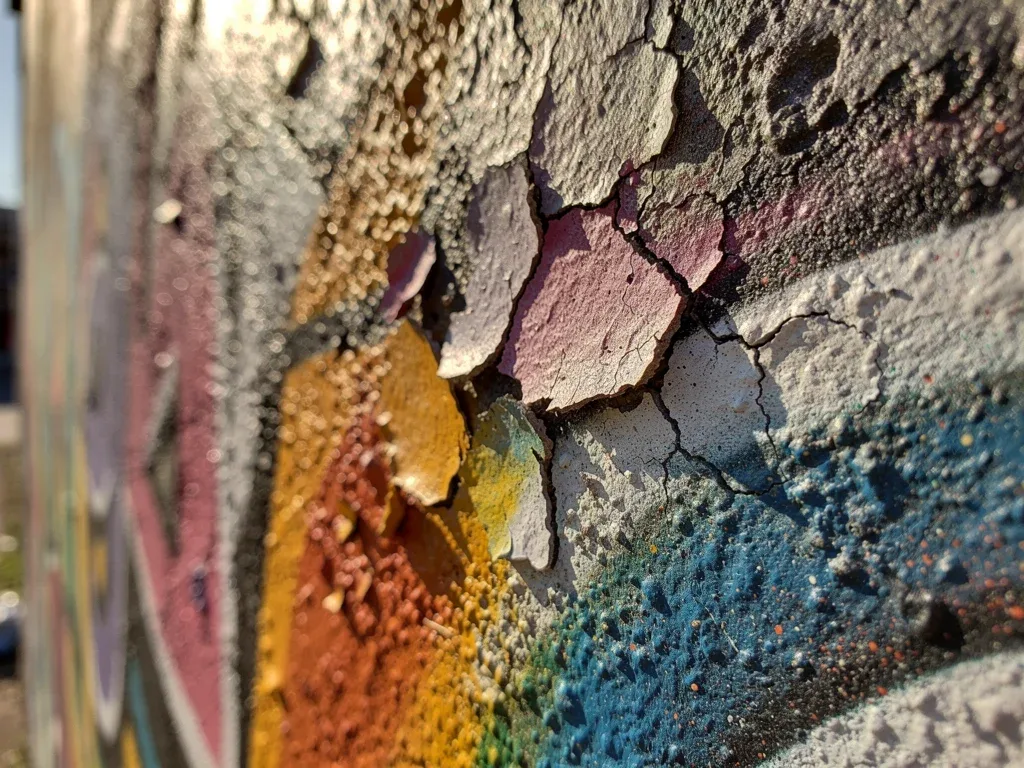
Real murals provide valuable insight into aerosol mural UV resistance because they experience actual combinations of sunlight, rain, pollution, and temperature variation.
Murals in cities with strong sun exposure can show very different aging patterns depending on the quality of paint, preparation, protective coatings, and ongoing maintenance.
These examples demonstrate that paint type alone does not determine longevity, making a complete material and application strategy essential.
Lessons from Long-Standing Murals
Murals that remain visually strong over many years often share several characteristics, including quality materials, careful surface preparation, and consistent maintenance.
Documentation of paint systems and restoration history also helps conservators understand which materials and methods have performed successfully over time.
Studying older murals can therefore provide practical information that complements laboratory tests and improves future material selection.
Miami's Wynwood Walls: Offers examples of murals exposed to intense sun, heat, and humidity.
Denver's RiNo Art District: Provides insight into high-altitude UV exposure and changing weather.
Philadelphia's Mural Arts Program: Highlights the importance of maintenance and conservation planning.
Industry Standards and Future Directions
Standardized testing could make aerosol mural UV resistance easier to compare by giving artists clearer information about expected outdoor performance.
Many existing coating tests were developed for architectural or industrial products and may not fully represent the materials and application methods used in aerosol art.
More specific benchmarks could help manufacturers communicate durability more clearly while making it easier for artists and commissioning organizations to compare products.
Emerging Technologies and Research
Research into polymer chemistry, pigment stabilization, and nanotechnology may lead to aerosol paints with better UV resistance and longer outdoor life.
Future formulations may also combine environmental improvements with stronger film performance, helping water-based products compete more closely with traditional solvent systems.
Monitoring tools and advanced coatings could further support preventive maintenance by identifying signs of degradation before visible damage becomes severe.
Standardization: Development of more specific testing methods for aerosol mural paints.
Eco-Friendly Innovations: Continued development of high-performance, lower-VOC formulations.
Smart Coatings: Research into coatings with enhanced protective or monitoring functions.
Making Informed Choices for Mural Longevity
Long-term aerosol mural UV resistance depends on the interaction between paint quality, pigment stability, environmental exposure, and application practices.
Solvent-based products often provide strong outdoor durability, while premium water-based formulations can also perform well when paired with suitable primers and protective coatings.
Artists should evaluate the location, expected lifespan, maintenance plan, and material specifications before selecting a complete mural paint system.
Key Aspect | 36-Month Findings |
|---|---|
Water-Based Performance | Performance varies by formulation, with premium products generally showing stronger stability. |
Solvent-Based Performance | High-quality formulations often provide strong color retention and film durability. |
Impact of Clear Coats | Protective coatings can improve UV resistance and extend mural lifespan. |
Other Factors | Climate, surface preparation, application quality, and maintenance also affect durability. |
Frequently Asked Questions on Mural Durability
What is the primary cause of mural degradation outdoors?▼
UV radiation is one of the main causes of outdoor paint degradation because it can break down pigments and binders over time. Heat, moisture, pollution, and other environmental conditions can accelerate the process.
Are water-based aerosol paints now as durable as solvent-based for murals?▼
Performance varies by product. High-quality solvent-based paints often provide strong outdoor durability, while premium water-based formulations can also perform well when designed for exterior use and combined with suitable protection.
How do clear coats improve mural longevity?▼
Clear coats create an additional protective layer that can reduce direct UV exposure and help protect the pigmented paint film from weathering, abrasion, and other forms of deterioration.
What role does geographic location play in mural durability?▼
Location can significantly influence durability because sunlight intensity, altitude, temperature, humidity, pollution, and salt exposure vary between regions and affect how quickly materials age.
What should artists consider when choosing paints for outdoor murals?▼
Artists should consider expected lifespan, climate, surface type, paint formulation, pigment quality, primer compatibility, and whether a UV-resistant clear coat is appropriate for the project.
Perspectives and Future Implications
The comparison between water-based and solvent-based products shows that aerosol mural UV resistance depends on more than one characteristic of the paint.
Improvements in water-based formulations and protective coatings are expanding the range of options available for artists who want both durability and lower solvent use.
Continued testing and better product information should make it easier to design mural systems that balance longevity, environmental considerations, and artistic performance.