Navigating 2026 Federal Copyright Protection for Street Artists
Advertisements
Street art copyright remains important for American muralists and graffiti artists seeking to protect original designs in 2026.
Federal copyright laws help visual creators manage artwork ownership, commercial permissions, and potential disputes involving unauthorized reproductions.
This guide explains the essential legal protections, registration procedures, and practical strategies artists can use to safeguard their creations.
Understanding the Federal Copyright Landscape for Street Artists
Street art copyright in the United States operates under federal laws protecting qualifying original artistic creations.
Historically, street art has faced complicated legal questions because murals frequently appear on publicly accessible walls and buildings.
However, public visibility does not automatically eliminate an artist's copyright or authorize unrestricted commercial reproduction of original artwork.
The Evolution of Artistic Rights
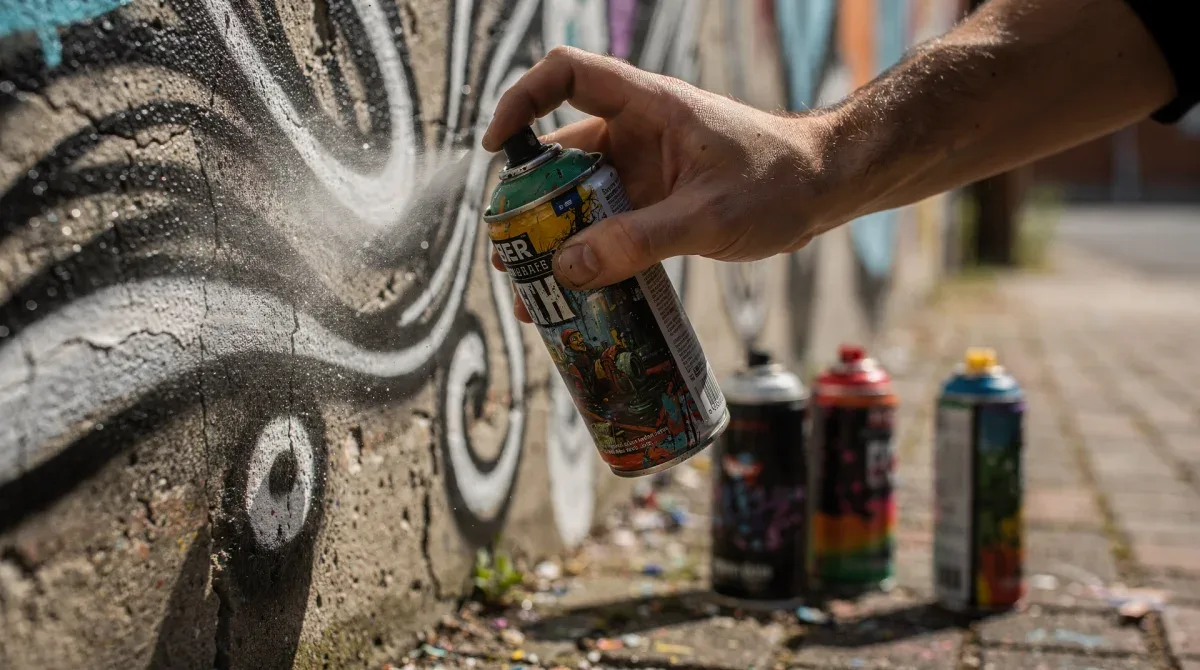
Federal copyright protection for visual artwork developed through legislation that established important rights for American artists.
The Visual Artists Rights Act of 1990 introduced certain attribution and integrity protections for qualifying original visual creations.
These protections have limitations, making it essential to understand how street art copyright applies to individual murals.
Key Federal Copyright Rules and Developments in 2026
Street art copyright continues to follow established federal legislation rather than a newly introduced universal protection system.
In February 2026, a group registration procedure became available for certain eligible published two-dimensional artworks.
This procedure allows qualifying creators to register multiple eligible artworks together, provided they meet the official registration requirements.
Defining Originality in Public Art
Originality remains a fundamental requirement for street art copyright because federal law protects independent creative expression.
Distinctive illustrations, original compositions, and individual artistic choices can contribute to an artwork's eligibility for federal protection.
Artists should preserve original sketches and development records to help document the creative process behind their murals.
Impact on Street Artists and Property Owners
Street art copyright creates important considerations for artists and property owners involved in creating or displaying murals.
Owning a building does not automatically mean owning the copyright in original artwork painted on its walls.
Written agreements can clarify ownership, commercial permissions, maintenance responsibilities, and procedures involving future alterations or removal.
Navigating Permissions and Agreements
Street art copyright agreements should clearly distinguish permission to create artwork from permission to reproduce it commercially.
A building owner may authorize a mural without automatically acquiring unrestricted rights to use its image in advertisements.
Clear contracts help both parties understand their obligations while reducing the risk of future intellectual property disputes.
Enforcement and Copyright Infringement
Street art copyright becomes especially relevant when businesses reproduce original murals on merchandise, advertising materials, or packaging.
Unauthorized commercial reproduction may constitute infringement when protected creative expression is used without permission or another legal justification.
Artists should understand that copyright registration and its timing can affect litigation procedures and available legal remedies.
Strategies for Proving Copyright Infringement
Establishing street art copyright infringement generally requires evidence supporting ownership and unauthorized copying of protected artistic expression.
Original design files, dated photographs, licensing records, and preserved communications may provide valuable evidence during legal disputes.
Before pursuing legal action, artists should evaluate the circumstances and consider advice from qualified intellectual property professionals.
Challenges and Opportunities for Street Art Copyright
Street art copyright presents unique challenges because many murals are temporary, collaborative, or located on privately owned structures.
Digital distribution also complicates enforcement because mural photographs can circulate internationally across websites, social platforms, and marketplaces.
Nevertheless, effective copyright management can support licensing opportunities, commercial partnerships, and fair compensation for original artistic creations.
Educating the Artistic Community
Understanding street art copyright helps creators recognize their rights and make informed decisions about commercial reproductions.
The U.S. Copyright Office's official guidance for visual artists explains important principles involving ownership, originality, and registration.
Artists can strengthen their knowledge through reliable educational materials, professional organizations, and qualified intellectual property specialists.
Role of Digital Tools in Protecting Wall Designs
Digital tools can support street art copyright management by preserving original artwork records and monitoring potential unauthorized reproductions.
Blockchain technology and digital innovation have attracted attention as methods for documenting information associated with artistic creations.
However, blockchain records do not automatically establish legal ownership or replace registration procedures administered by federal authorities.
Leveraging Technology for Proof and Enforcement
Photographing murals throughout their development can create useful documentation for future street art copyright questions.
Artists should preserve original files, creation dates, project correspondence, and records identifying the location of each artwork.
Secure cloud storage and organized digital archives can help prevent accidental loss of important creative documentation.
Global Perspectives on Street Art Copyright
Street art copyright becomes more complicated when original murals are reproduced or commercially distributed across international borders.
Different countries apply their own copyright laws, enforcement procedures, legal exceptions, and protections for artistic integrity.
Artists working internationally should understand licensing territories and seek appropriate guidance when dealing with foreign commercial reproductions.
International Best Practices and Collaboration
International copyright agreements establish important principles for protecting eligible artistic works across participating countries.
However, national legislation may differ regarding mural removal, moral rights, commercial photography, and available infringement remedies.
Clear licensing agreements and consistent ownership records can help artists manage creative projects involving international business relationships.
Preparing Your Artwork for Copyright Protection in 2026
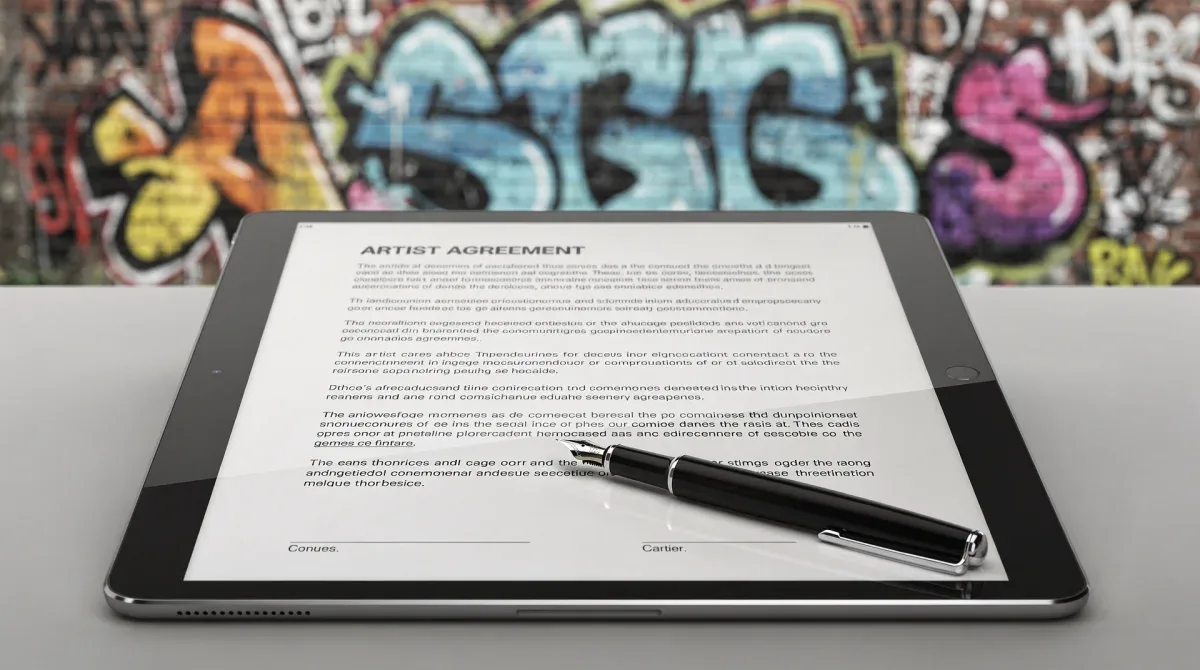
Preparing for street art copyright protection begins with organizing original artwork and understanding existing federal registration procedures.
Artists should preserve sketches, photographs, agreements, and other materials documenting the development of their creative projects.
Reviewing official registration requirements can help determine which artworks qualify for individual or available group registration procedures.
Actionable Steps for Artists
Begin by creating an organized portfolio containing original drawings, completion photographs, project dates, and relevant written permissions.
Next, evaluate copyright registration options and review existing agreements to understand ownership and authorized commercial uses.
Finally, monitor potential reproductions, maintain secure backups, and seek professional advice when complicated ownership questions arise.
Key Point | Brief Description |
|---|---|
Existing Federal Protection | Qualifying original murals and visual artworks can receive protection under established United States copyright law. |
2026 Registration Development | A group registration option became effective in February 2026 for eligible published two-dimensional artworks. |
Artist and Property Rights | Ownership of a wall and ownership of the copyright in artwork displayed on that wall are separate legal considerations. |
Documentation and Registration | Accurate records, appropriate registration, and clear contracts can strengthen an artist's ability to manage and enforce rights. |
Frequently Asked Questions About Street Art Copyright
Does federal copyright law protect street art in 2026?
Yes. Qualifying original murals, paintings, and other artistic works can receive protection under existing federal copyright law. Protection depends on requirements such as originality and fixation, rather than a special universal copyright law for street artists introduced in 2026.
What changed for visual artists in 2026?
One important development was the introduction of an eligible group registration option for published two-dimensional artworks, effective February 17, 2026. Artists must satisfy the applicable requirements before using this procedure.
Can an artist retain copyright when a mural is painted on someone else's building?
Yes. Ownership of physical property and ownership of copyright are legally distinct. However, contracts, employment relationships, transfers of rights, and other circumstances can affect who owns or controls particular rights.
Does copyright protection require registration?
Copyright generally arises automatically when an eligible original work is fixed in a tangible medium. Registration is not required for the initial existence of protection, but it provides important legal benefits and is generally necessary before filing a United States copyright infringement lawsuit concerning a U.S. work.
Can someone photograph a mural and use the image commercially?
Commercial use may require permission, depending on the circumstances and applicable legal exceptions. Public visibility does not automatically authorize every reproduction, but questions involving fair use and other limitations require individual analysis.
What happens if a property owner wants to remove a mural?
Removal disputes depend on multiple factors, including contractual terms, property rights, and whether the artwork qualifies for particular protections under the Visual Artists Rights Act. Some building-related provisions establish specific procedures and exceptions.
Are blockchain records enough to prove copyright ownership?
No. Blockchain records may provide supporting information about when certain data was recorded, but they do not independently verify artistic authorship or replace federal copyright registration. Other evidence and applicable legal requirements remain important.
How can artists improve their copyright protection strategy?
Artists should maintain accurate creation records, use written contracts, consider timely copyright registration, and document authorized commercial uses. Professional legal advice may be appropriate for valuable projects or disputed ownership claims.
What This Means for Street Artists in 2026
Street art copyright provides meaningful protection for qualifying original murals under existing United States federal legislation.
Proper documentation, timely registration, and clear licensing agreements can help artists manage their creations and commercial relationships.
Artists can consult the official U.S. Copyright Office for registration information and guidance on protecting original visual artwork.