5 American Blank Garment Suppliers for Premium 400+ GSM Fleece
Advertisements
Streetwear brands looking for substantial fleece can find several verified U.S.-made options above roughly 400 GSM, but fabric weight alone does not determine quality, durability, ethical production, or suitability for private-label use.
The search for premium blanks often leads streetwear brands toward heavyweight fleece because it can provide a denser hand feel, more structure, and greater warmth than lighter sweatshirt fabrics.
For brands specifically seeking American 400+ GSM fleece, the important distinction is between true blank or wholesale suppliers, custom manufacturers, and consumer brands that simply demonstrate what domestic heavyweight production can achieve.
Advertisements
The verified options below replace previously listed suppliers that could not be substantiated and focus on manufacturers or brands with documented U.S. production and heavyweight fleece specifications.
The Demand for Heavyweight American Fleece
Heavyweight hoodies and sweatshirts remain relevant to contemporary streetwear because oversized and structured silhouettes often benefit from fabrics with more body.
Domestic sourcing can also appeal to brands that want shorter communication chains, easier sampling, or clearer information about where cutting and sewing occur.
However, U.S. production does not automatically guarantee lower environmental impact, better labor conditions, shorter lead times, or lower total costs in every case.
What 400+ GSM Actually Means
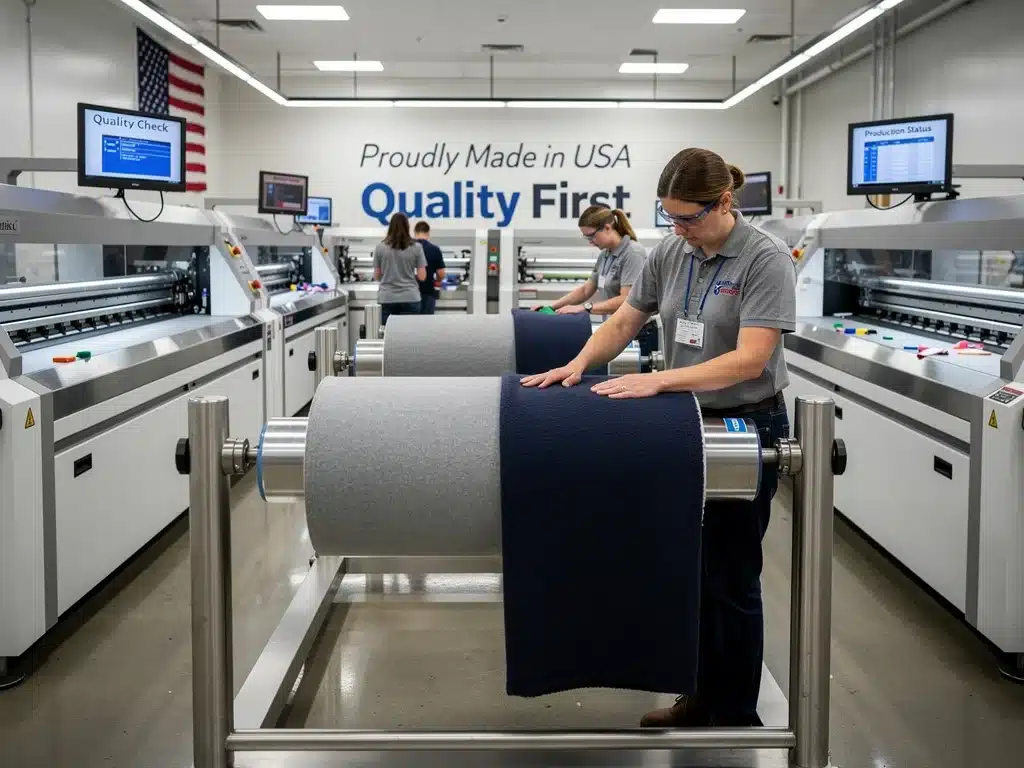
GSM means grams per square meter and measures fabric weight rather than overall garment weight or an independent grade of quality.
A 400 GSM fleece is considered heavy compared with many standard sweatshirt fabrics, while fabrics around 13 to 14 ounces per square yard are even heavier at approximately 441 to 475 GSM.
Actual performance still depends on fiber composition, yarn quality, knitting, brushing, finishing, shrinkage control, stitching, and how the finished garment is constructed.
Weight Does Not Guarantee Durability
A heavier fabric can feel more substantial and may provide greater warmth, but GSM alone does not prove that a garment will resist pilling, shrinking, stretching, or seam failure.
Those characteristics should be evaluated through samples, wash testing, dimensional measurements, colorfastness checks, and inspection of finished construction.
Brands should therefore treat 400+ GSM as one sourcing specification rather than as shorthand for premium quality.
Five Verified U.S. Heavyweight Fleece Options
The U.S. market does contain genuine heavyweight fleece options, although not every company operates as a conventional wholesale blank supplier.
Some sell undecorated blanks with wholesale programs, while others provide custom production or serve as useful domestic-manufacturing benchmarks.
Before placing an order, brands should confirm current wholesale access, MOQ, available colors, inventory, decoration restrictions, and private-label options directly with the supplier.
1. Los Angeles Apparel — 14 oz Heavy Fleece
Los Angeles Apparel offers Heavy Fleece styles using 14 oz fleece, placing the fabric comfortably above the approximate 400 GSM threshold.
Its HF09 Heavy Fleece Hoodie is documented as knitted, cut, sewn, and dyed in Los Angeles, California, giving brands a clearly identified domestic production option.
Los Angeles Apparel also operates in the blank-apparel market, making it a more relevant sourcing candidate than a consumer-only heavyweight hoodie brand.
2. Royal Apparel — Magnum 14 oz Fleece
Royal Apparel sells a U.S.-made Magnum Heavyweight Fleece Hoodie constructed from 14 oz cotton fleece, with heather versions using a cotton-polyester blend.
The product includes a tear-away label, which can be particularly relevant for decorators or brands that want to add their own branding after purchase.
Royal Apparel identifies the garment’s origin as the United States, but brands should still confirm wholesale pricing, inventory, and relabeling requirements before building a collection around it.
3. Everybody.World — 444 GSM Reclaimed Cotton Fleece
Everybody.World produces its Trash Raglan in 13 oz, or 444 GSM, fleece made from reclaimed North American cotton waste.
The company states that the fabric is knit and the garments are sewn and finished in Los Angeles, while its wholesale program offers blanks and low minimums starting at 10 pieces for participating products.
This makes Everybody.World particularly relevant to brands interested in both heavyweight fabric and a documented reclaimed-cotton sourcing model.
4. AKWA — 13 oz Made-in-USA Heavyweight Fleece
AKWA offers heavyweight fleece garments made in the United States, including a 13 oz cotton-polyester pullover hoodie available through its wholesale system.
At approximately 441 GSM, the fabric meets the heavyweight threshold discussed in this article and is available in sizes extending beyond the standard streetwear range.
Its 70/30 cotton-polyester construction also illustrates why brands should compare fiber composition rather than assuming every heavyweight fleece is 100% cotton.
5. American Giant — A Domestic Heavyweight Benchmark
American Giant produces heavyweight fleece garments in the United States and currently lists a 12.2 oz three-end cotton fleece on newer Classic Full Zip styles.
Older and selected versions of its signature hoodie have also used 13 oz fleece, with production and textile sourcing documented within the United States.
American Giant is better treated as a domestic manufacturing benchmark than a standard blank-wholesale supplier, so brands seeking undecorated bulk inventory should confirm whether appropriate sourcing arrangements are available.
A North American Alternative Worth Knowing
House of Blanks frequently appears in discussions about premium 400 GSM sweatshirts because its specifications closely match what many streetwear labels seek.
Its wholesale hoodies and crewnecks use 400 GSM, 100% cotton, heavyweight three-end fleece with fabric knitted and dyed in Toronto.
However, House of Blanks is Canadian, not American, so it should not be represented as a U.S.-made blank supplier despite its use of U.S.-grown cotton in certain products.
Why Origin Claims Need Careful Verification
A product can use U.S.-grown cotton while being knitted, dyed, cut, or sewn in another country, so raw-material origin and garment origin are not interchangeable claims.
Similarly, a company headquartered in the United States may source finished garments internationally even if it offers custom printing or fulfillment domestically.
Brands should verify where fabric is knitted, dyed, cut, sewn, and finished before making specific Made-in-USA or domestic-production claims to customers.
Key Considerations When Choosing a Heavyweight Fleece Supplier
Selecting a supplier involves more than comparing GSM because production consistency, dimensions, shrinkage, fiber content, finishing, and decoration compatibility directly affect the final product.
Minimum order quantities and available inventory also matter, particularly for smaller brands testing a silhouette before committing to a large production run.
Requesting actual samples before placing a substantial order remains one of the most practical ways to evaluate whether a blank fits the intended streetwear silhouette.
Quality Control and Consistency
A sourcing specification should define more than the advertised fabric weight and include measurements, tolerances, fiber composition, shrinkage expectations, construction, and color requirements.
Brands can conduct wash tests and compare samples from different batches to determine whether sizing, texture, and appearance remain sufficiently consistent.
This process provides stronger evidence of suitability than assuming a 400+ GSM specification automatically guarantees long-term performance.
Minimum Order Quantities and Customization
MOQ requirements vary widely between stocked blank suppliers, garment decorators, and full custom manufacturers.
Buying an existing blank generally allows smaller quantities, while custom fabric, dye colors, patterns, cuts, or private-label production can require larger commitments.
Brands planning a streetwear business should confirm these requirements before finalizing designs or marketing a launch date.
Domestic Production and Streetwear Brands
Domestic production can simplify communication and make factory visits, sampling, and certain production changes easier when a brand and manufacturer are geographically close.
It can also reduce international freight exposure for some supply chains, although raw materials and components may still travel considerable distances before final assembly.
Brands discussing ethical or sustainable streetwear should verify specific labor and environmental practices rather than treating “Made in USA” as a universal certification of ethical production.
Made in USA Does Not Automatically Mean Sustainable
Environmental impact depends on fiber production, dyeing, finishing, energy, transportation, garment longevity, waste, and several other factors.
Domestic manufacturing may improve traceability in some cases, but location alone cannot establish that a product has a lower carbon footprint or better environmental performance.
Supplier documentation and product-specific evidence are therefore more useful than broad assumptions about one country of manufacture.
Future Trends in Premium Blank Garment Sourcing
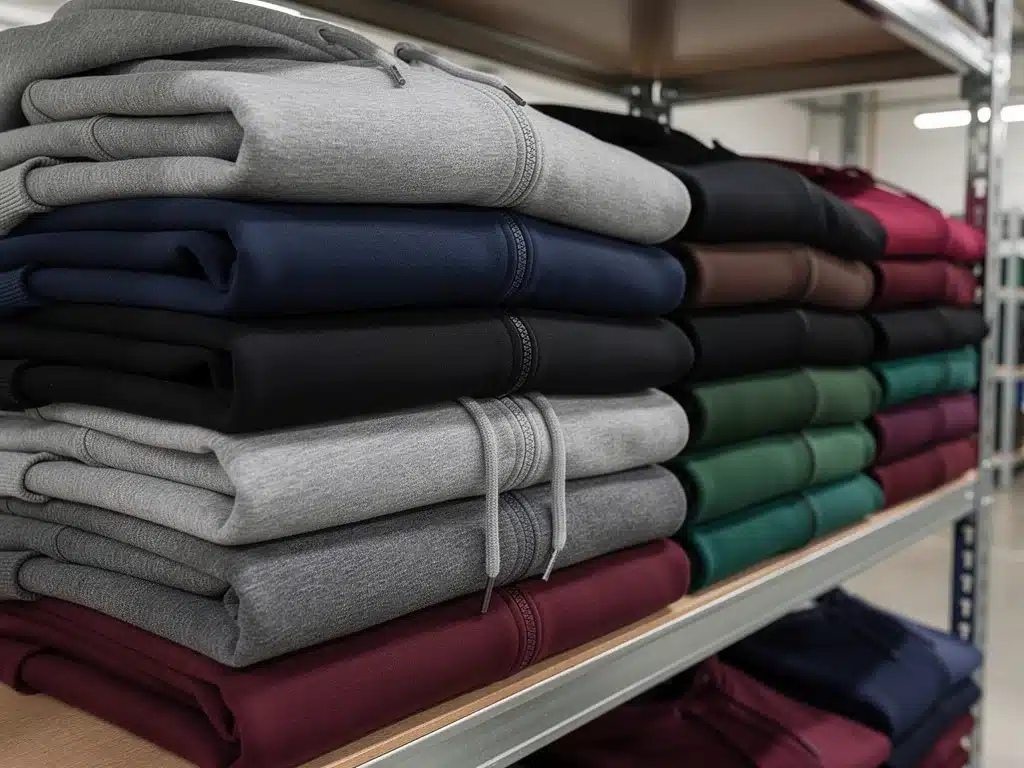
Heavyweight fleece is likely to remain one option for brands interested in substantial hoodies, sweatpants, and structured casualwear, but future demand cannot be predicted with certainty.
Recycled fibers, reclaimed cotton, traceability systems, smaller production runs, and more flexible customization are already influencing portions of the blank-apparel market.
Brands should monitor actual customer demand and supplier capabilities rather than assuming that every technological or sustainability trend will become standard across streetwear.
Reclaimed and Recycled Fibers
Everybody.World’s reclaimed-cotton fleece demonstrates that heavyweight construction can coexist with alternative raw-material strategies.
Recycled or reclaimed content can reduce demand for some virgin resources, but environmental performance still depends on processing methods, product lifespan, and the complete supply chain.
Brands making sustainability claims should document the specific material and process instead of relying on broad terms such as “eco-friendly.”
| Verified Option | Documented Heavyweight Specification |
|---|---|
| Los Angeles Apparel | 14 oz fleece; selected Heavy Fleece styles are knitted, cut, sewn, and dyed in Los Angeles. |
| Royal Apparel | 14 oz Magnum fleece hoodie; documented as Made in USA. |
| Everybody.World | 13 oz / 444 GSM reclaimed-cotton fleece, knit, sewn, and finished in Los Angeles. |
| AKWA | 13 oz 70/30 cotton-polyester heavyweight fleece; Made in USA. |
| American Giant | 12.2 oz current heavyweight fleece, with some documented 13 oz styles; U.S. manufacturing benchmark rather than conventional blank wholesaler. |
Frequently Asked Questions About American 400+ GSM Fleece Suppliers
400+ GSM indicates a relatively heavy fabric weight. It can create a substantial feel and structured drape, but GSM alone does not guarantee softness, durability, low shrinkage, or resistance to pilling in streetwear garments.
No. Los Angeles Apparel, Royal Apparel, Everybody.World, and AKWA offer products relevant to blank or wholesale sourcing, while American Giant is included primarily as a verified example of domestic heavyweight fleece manufacturing.
No. House of Blanks produces documented 400 GSM heavyweight fleece in Canada. Some products use U.S.-grown cotton, but the fabric and garments are manufactured in Canada.
Ask about decoration, tear-away labels, relabeling, custom dyeing, garment dyeing, private-label production, custom patterns, available colors, MOQ requirements, and whether those services are performed by the supplier or a separate decorator.
Request samples, measure garments, perform wash tests, confirm fabric specifications, inspect stitching and finishing, and compare multiple production batches before committing to a large order.
Perspectives on Premium American Fleece Sourcing
The verified U.S. market shows that genuine heavyweight fleece options exist, but brands should be cautious about supplier lists that provide impressive specifications without identifiable manufacturers or documentation.
Los Angeles Apparel, Royal Apparel, Everybody.World, and AKWA provide stronger sourcing leads because their heavyweight specifications and domestic production claims can be independently checked, while American Giant demonstrates another approach to U.S. heavyweight manufacturing.
For brands influenced by the connection between streetwear and music culture, the best sourcing decision comes from testing real garments, comparing specifications, verifying origin claims, and choosing a supplier whose production model matches the intended product rather than relying on GSM alone.