Winter Aerosol Painting: Prevent Valve Freezing Below 35°F
Advertisements
Successful winter aerosol painting requires special attention to temperature, spray pressure, and surface conditions. Cold weather can reduce aerosol performance and make consistent paint application more difficult.
When temperatures fall below 35°F, some spray paints may lose pressure, produce uneven coverage, or experience nozzle problems. These effects depend on the product and environmental conditions.
Understanding winter aerosol painting helps artists protect their materials and improve results. Discover five practical techniques for managing cold-weather challenges while following essential aerosol safety guidelines.
Understanding the Science of Aerosol Freezing in Cold
During winter aerosol painting, low temperatures can reduce the internal pressure of aerosol cans. This may weaken spray output and make paint application less consistent.
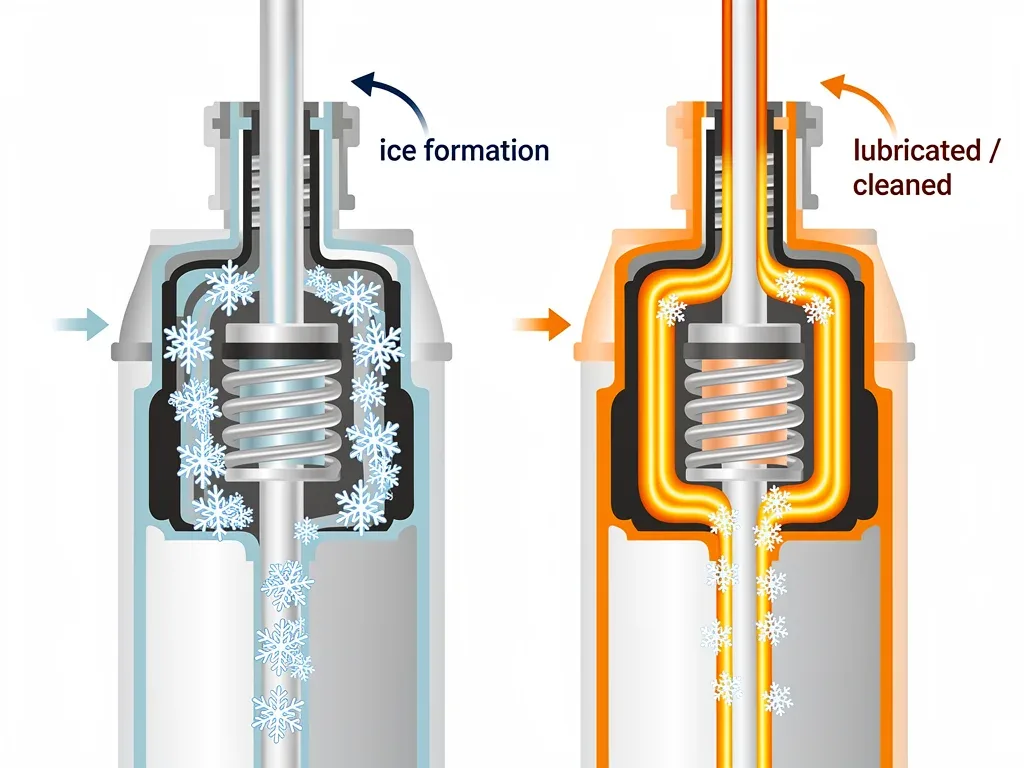
As propellant expands through the nozzle, cooling can occur around the valve. Moisture may condense or freeze under certain conditions, contributing to spray interruptions.
Cold conditions can also affect paint viscosity and atomization. Understanding these changes helps artists recognize when conditions are unsuitable for reliable spray painting.
Trick 1: Keep Aerosol Cans at Their Recommended Temperature
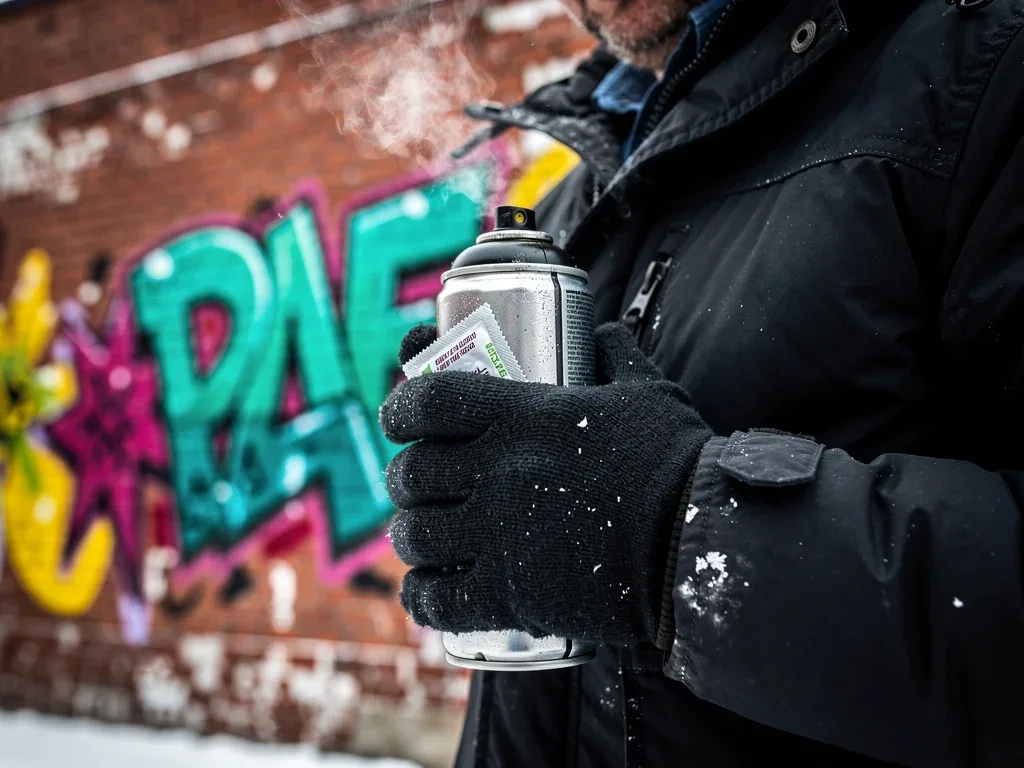
Temperature management is important for maintaining consistent performance during winter aerosol painting. Spray paint manufacturers specify suitable storage and application conditions for their products.
Allowing cans stored in a cold environment to gradually reach normal indoor temperatures may improve performance. Always follow the temperature limits and handling instructions printed on the container.
Never attempt to accelerate warming with heaters, hot water, flames, or other external heat sources. Pressurized containers can become hazardous when exposed to excessive temperatures.
Safe Temperature Management for Aerosol Cans
Store aerosol products in a dry, ventilated location that meets the manufacturer's temperature recommendations. Avoid freezing conditions and excessive heat whenever possible.
Before beginning winter aerosol painting, check whether the product is suitable for the expected weather. Some formulations have stricter application temperature requirements.
If the can is excessively cold, allow it to return naturally to an approved temperature before use. Never puncture, modify, or artificially heat pressurized containers.
Indoor Storage: Keep cans in an appropriate, temperature-controlled environment according to label instructions.
Gradual Adjustment: Allow cold containers to reach a suitable temperature naturally.
Manufacturer Guidelines: Check approved application temperatures before beginning.
Avoid External Heating: Never use direct heat, heating devices, or improvised warming equipment.
Trick 2: Use Insulated Storage for Temperature Protection
Insulated storage may help limit rapid temperature changes during winter aerosol painting. Properly designed containers can reduce exposure to cold outdoor conditions.
Insulation does not actively heat aerosol cans or make unsuitable temperatures safe. Products must remain within the storage and application limits specified by their manufacturers.
Artists should avoid attaching chemical hand warmers or heating elements directly to pressurized containers. Insulated transport should also prevent damage and maintain appropriate ventilation.
Choosing Suitable Insulated Carriers
An insulated carrier can provide additional protection against short-term exposure to cold temperatures. Choose a container that securely holds aerosol cans without damaging valves.
For winter aerosol painting, avoid leaving supplies outdoors longer than necessary. Return unused products to a suitable storage area according to label requirements.
Transport and storage conditions should also account for flammability. Never leave aerosol cans near ignition sources or inside vehicles exposed to extreme temperatures.
Insulated Containers: Help reduce rapid temperature fluctuations without generating heat.
Secure Transportation: Prevent cans from rolling, falling, or suffering valve damage.
Temperature Awareness: Monitor surrounding conditions and follow product instructions.
Trick 3: Use Controlled Spraying and Maintain Clean Nozzles
Controlled spray application can improve consistency during winter aerosol painting. Continuous spraying may contribute to additional cooling as propellant leaves the container.
Short, controlled applications may help artists manage coverage and recognize pressure changes. However, this technique cannot compensate for temperatures outside the manufacturer's recommended range.
Nozzle maintenance is equally important. Paint residue can interfere with spray patterns, making proper cleaning and replacement procedures essential for consistent results.
Preventing Nozzle Clogs During Cold Weather
Spray nozzles may become obstructed when paint accumulates or fails to flow correctly. Low temperatures can increase application difficulties with certain products.
During winter aerosol painting, inspect the nozzle before use and follow the manufacturer's cleaning instructions. Replace removable caps when appropriate and compatible.
Never force a blocked valve or attempt to dismantle a pressurized container. If spraying becomes irregular, stop using the product and assess the conditions safely.
Controlled Application: Use even movements and avoid unnecessary prolonged spraying.
Nozzle Inspection: Check for visible residue or damage before beginning.
Proper Cleaning: Follow the product's recommended maintenance procedure.
Safe Troubleshooting: Stop if the valve becomes blocked or pressure behaves abnormally.
Trick 4: Choose Compatible Caps and Cold-Weather Products
Choosing suitable materials is essential for winter aerosol painting. Different paint formulations and nozzles can behave differently under low-temperature conditions.
Some manufacturers offer spray products formulated for broader temperature ranges. Always check the technical specifications rather than assuming any paint will perform adequately below 35°F.
Compatible replacement caps may help adjust spray patterns, but they do not eliminate temperature restrictions. Artists should prioritize manufacturer-approved combinations and safe operating conditions.
Understanding Spray Cap Compatibility
Spray caps influence paint distribution, line width, and application characteristics. Different designs may create narrow lines, broader coverage, or softer spray patterns.
However, not every cap fits every valve correctly. Incompatible components may cause leakage, poor performance, or unexpected spray behavior.
For winter aerosol painting, consult reliable product information and experienced graffiti artists when selecting accessories. Test approved combinations only under suitable conditions.
Manufacturer Compatibility: Select caps designed for the specific aerosol valve.
Spray Pattern: Consider the desired line width and coverage.
Product Specifications: Verify the approved application temperature range.
Trick 5: Store Aerosol Cans Properly Between Sessions
Proper storage helps maintain product condition between winter aerosol painting sessions. Aerosol cans should remain in a suitable environment protected from temperature extremes.
Cold storage may temporarily reduce spray pressure, while excessive heat can create serious safety hazards. Both conditions should be avoided according to manufacturer guidance.
Keep containers upright when recommended, protect their valves, and follow all storage warnings. Never leave aerosol products near flames, heaters, or other ignition sources.
Creating a Safe Storage Routine
Designate a dry, well-ventilated storage area suitable for aerosol products. Follow label instructions regarding temperature, container position, and flammable materials.
Inspect cans before each winter aerosol painting session. Containers showing leakage, severe corrosion, or unusual damage should not be used.
Proper organization also makes supplies easier to locate and monitor. Store products securely and keep them away from children and unauthorized users.
Temperature Control: Follow the manufacturer's recommended storage range.
Secure Placement: Protect containers from impact and accidental damage.
Regular Inspection: Check for leaks, rust, and damaged valves.
Addressing Common Misconceptions About Cold Weather Painting
Several misconceptions surround winter aerosol painting, particularly regarding pressure loss and temperature management. Understanding these misunderstandings can prevent unsafe handling practices.
Shaking a cold aerosol can mixes its contents when the label directs, but it does not reliably raise internal temperature. Likewise, heating containers directly is unsafe.
Another misconception is that every aerosol paint can be used below 35°F with the correct technique. Actual suitability depends on the formulation and manufacturer specifications.
What Artists Should Know About Cold Conditions
Cold weather does not automatically mean the valve has frozen. Reduced internal pressure, thickened paint, or nozzle residue may produce similar spray problems.
The most reliable approach to winter aerosol painting involves identifying the actual cause. Product temperature limits and surface conditions should be checked first.
If the environment falls outside recommended operating conditions, postponing the project may be the safest choice. Improvised adjustments cannot guarantee appropriate performance.
The Impact of Temperature on Paint Pigment and Adhesion
Temperature affects more than aerosol pressure during winter aerosol painting. Cold conditions may change how paint flows, spreads, dries, and adheres to surfaces.
Some paints become more viscous at lower temperatures, potentially producing uneven spray patterns. Moisture, frost, or condensation can also interfere with adhesion.
For better results, verify both ambient and surface temperatures before painting. Surfaces should meet the manufacturer's preparation and application requirements.
Improving Paint Application in Cold Weather
Successful paint adhesion begins with a properly prepared surface. Dirt, moisture, ice, and incompatible coatings can reduce the quality of the finished work.
When planning winter aerosol painting, consider the temperature forecast and expected drying conditions. Paint may require more time to cure in colder environments.
Choose an approved work area with appropriate ventilation and environmental conditions. Avoid enclosed spaces without suitable respiratory and fire-safety precautions.
Surface Preparation: Remove dirt and ensure the surface meets product requirements.
Temperature Verification: Check both air and surface temperatures.
Drying Conditions: Allow appropriate curing time according to manufacturer instructions.
Ventilation: Maintain safe airflow and follow respiratory protection guidance.
Safety Considerations for Winter Aerosol Painting
Safety remains a priority during winter aerosol painting, especially when working with pressurized and potentially flammable products. Environmental conditions can introduce additional difficulties.
Use suitable personal protective equipment and follow product safety instructions. Spray painting may require appropriate respiratory protection, eye protection, and ventilation.
Artists should also obtain permission before painting property they do not own. Working in authorized locations helps support safe and responsible creative practices.
Essential Precautions Before Starting
Review the aerosol product label and safety data sheet before beginning. These documents identify important hazards, temperature limits, and handling requirements.
For winter aerosol painting, confirm that the work area is suitable for spraying. Cold temperatures should never justify using unsafe heating equipment near flammable vapors.
Stop working if a can leaks, becomes damaged, or behaves unexpectedly. Follow manufacturer instructions and applicable regulations for handling or disposing of defective products.
Protective Equipment: Use appropriate eye and respiratory protection.
Ventilation: Work in a suitable, properly ventilated area.
Fire Prevention: Keep aerosol products away from flames, sparks, and ignition sources.
Authorized Locations: Obtain required permission before painting.
Key Trick | Brief Description |
|---|---|
Temperature Management | Keep cans within their manufacturer-approved storage and application temperatures. |
Insulated Storage | Use suitable carriers to reduce exposure to rapid temperature changes without active heating. |
Controlled Spraying and Cleaning | Maintain consistent application and follow recommended nozzle cleaning procedures. |
Compatible Caps | Choose manufacturer-approved nozzles and products suitable for the conditions. |
Proper Storage | Protect aerosol cans from extreme temperatures, impact, and ignition sources. |
Frequently Asked Questions About Winter Aerosol Painting
Why do aerosol valves freeze in cold weather?▼
Cold weather can reduce internal aerosol pressure and cause cooling around the nozzle during spraying. Under some conditions, moisture may freeze near the valve. However, reduced pressure or paint residue can also cause spray interruptions without actual freezing.
Is it safe to warm aerosol cans with direct heat?▼
No. Never heat pressurized aerosol cans using flames, heaters, hot water, microwaves, or other external heating methods. Excessive heating can cause dangerous pressure increases and container rupture. Follow the manufacturer's storage and temperature instructions.
How does valve freezing affect paint consistency?▼
Valve freezing or reduced aerosol pressure can interrupt paint flow and produce uneven spray patterns. Results may include sputtering, inconsistent coverage, and irregular lines. Proper operating conditions and suitable nozzle maintenance help reduce these problems.
Can I paint with aerosol cans if the temperature is below 35°F?▼
Some products may be designed for use at lower temperatures, but others are not. Always verify the manufacturer's minimum application temperature. If conditions fall outside the approved range, postpone painting rather than attempting unsafe adjustments.
Are there specific aerosol brands better for cold weather?▼
Paint formulations differ, and some manufacturers may offer products with broader operating temperature ranges. Compare official technical specifications before purchasing. Brand reputation alone does not guarantee safe or reliable performance in freezing conditions.
Conclusion: Improving Winter Aerosol Painting Results
Understanding winter aerosol painting helps artists recognize how cold temperatures affect pressure, paint flow, and surface adhesion. These factors are important for achieving consistent results.
Temperature management, appropriate storage, nozzle maintenance, and compatible products can reduce avoidable difficulties. However, manufacturer safety limits should always take priority over improvised techniques.
Artists interested in graffiti art can also explore emerging artists and investment considerations, along with artwork authentication practices. Safe preparation remains essential for every creative project.