Testing 4 Anti-Graffiti Protective Clear Coats: 10-Year Mural Preservation
Advertisements
Mural preservation clear coats can help protect legal exterior murals through improved graffiti resistance, appropriate surface preparation, ultraviolet protection, regular maintenance, and careful selection of compatible protective coating systems.
Choosing suitable mural preservation clear coats can help artists, property owners, and municipalities protect exterior artworks against environmental deterioration and damage caused by unauthorized graffiti.
Polyurethane, fluoropolymer, siloxane, and sacrificial wax-based coatings represent four different approaches to protecting painted surfaces, each presenting distinct advantages, limitations, and maintenance requirements.
This guide compares these protective systems, explains practical testing methods, and outlines strategies for developing a ten-year maintenance plan for legal exterior murals.
The importance of mural preservation: A decade-long vision
Legal exterior murals contribute to the cultural identity of American communities, transforming public spaces through artistic expression, historical storytelling, and meaningful neighborhood engagement.
However, prolonged exposure to sunlight, moisture, pollution, temperature fluctuations, and unauthorized graffiti can compromise the appearance and physical condition of these artworks.
Developing a ten-year protection strategy using appropriate mural preservation clear coats requires realistic expectations, professional assessment, compatible materials, and regular preventive maintenance.
Why long-term protection matters
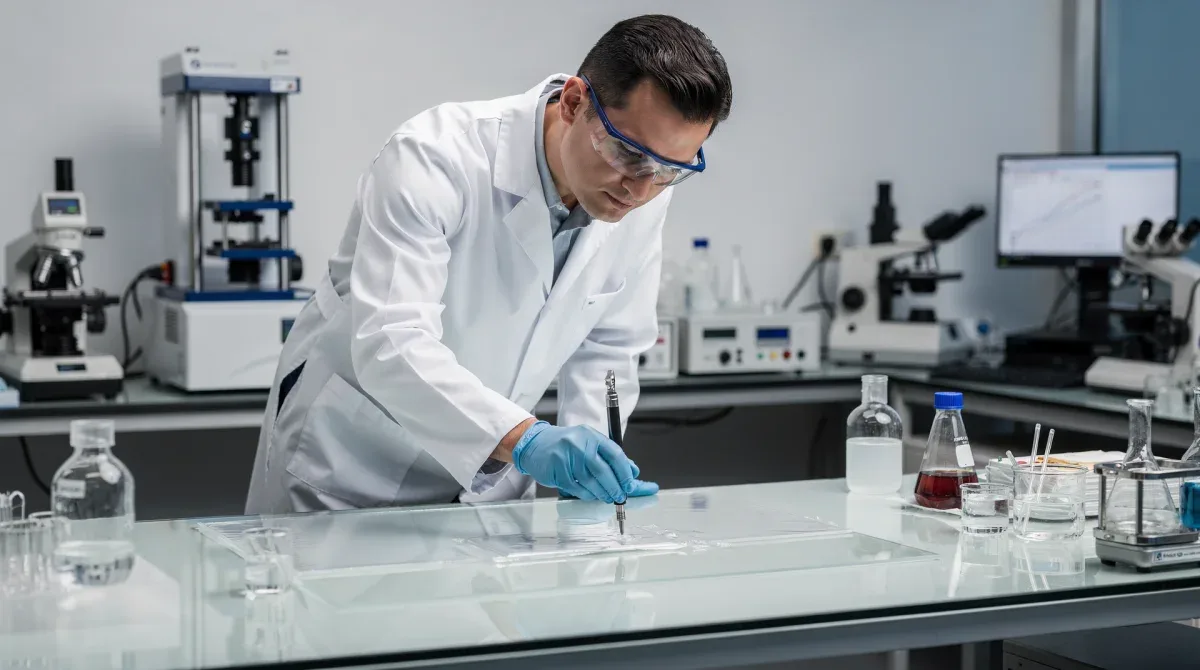
Commissioning exterior murals frequently involves substantial investments in artistic labor, surface preparation, painting materials, equipment, and coordination between artists and property owners.
Protective treatments may help preserve these investments by reducing certain types of surface damage and improving the effectiveness of appropriately selected cleaning procedures.
Nevertheless, no protective coating should be considered a universal solution capable of guaranteeing ten years of maintenance-free performance across every outdoor environment.
Understanding the challenge of protecting public art
Exterior murals require protective strategies that address environmental exposure while respecting the original colors, textures, materials, and artistic intentions associated with each artwork.
Effective mural preservation involves balancing protection against unwanted markings with compatibility between the protective treatment and the underlying painted surface.
Choosing unsuitable mural preservation clear coats can introduce problems such as discoloration, excessive gloss, moisture retention, peeling, and difficulties during subsequent conservation treatments.
The science behind anti-graffiti coatings
Anti-graffiti coatings may create protective surfaces that reduce paint adhesion, limit penetration into porous materials, or facilitate the removal of unwanted markings.
Some formulations remain on the protected surface during cleaning, while sacrificial systems are designed to be removed and replaced after particular cleaning procedures.
Understanding these mechanisms helps conservators select protective systems that correspond to the mural's materials, location, environmental exposure, and anticipated maintenance requirements.
Understanding permanent and sacrificial protection
Permanent anti-graffiti coatings are designed to withstand multiple cleaning procedures while retaining protective properties, although their durability depends on individual product characteristics.
Sacrificial coatings provide removable protective layers that generally require reapplication after graffiti removal, increasing maintenance requirements but potentially improving treatment reversibility.
Both approaches can contribute to mural preservation clear coats strategies when evaluated according to surface compatibility, cleaning frequency, artistic requirements, and long-term costs.
Four anti-graffiti protective clear coats to evaluate
Protective coating systems differ in chemical composition, surface adhesion, resistance to cleaning agents, visual appearance, application requirements, and anticipated maintenance schedules.
Comparing four coating categories provides a useful starting point for evaluating potential protection strategies without assuming that one formulation performs best in every situation.
The following comparison describes general material characteristics rather than presenting results from an independently conducted laboratory test or verified nationwide research initiative.
Coating 1: Polyurethane-based protective clear coats
Polyurethane-based coatings can provide durable protective films with resistance to abrasion, selected cleaning chemicals, and mechanical wear, depending on their specific formulation.
Exterior-grade aliphatic polyurethane formulations are commonly considered where color stability and resistance to ultraviolet exposure represent important requirements for prolonged outdoor use.
When evaluating polyurethane mural preservation clear coats, examine potential changes in gloss, flexibility, vapor permeability, adhesion, and compatibility with the original mural paint.
Coating 2: Fluoropolymer-based protective clear coats
Fluoropolymer-based coatings may provide surfaces with relatively low surface energy, potentially reducing the adhesion of certain paints, inks, and other unwanted substances.
Their chemical resistance can make selected formulations attractive for applications involving repeated cleaning, although actual performance depends on the complete protective coating system.
Consider product-specific environmental information, chemical composition, application costs, and applicable restrictions before selecting fluoropolymer treatments for public art conservation projects.
Coating 3: Siloxane-based protective clear coats
Siloxane-based treatments can provide water-repellent properties, and selected formulations may maintain greater vapor permeability than certain continuous film-forming protective coating systems.
These characteristics may be useful for particular masonry surfaces, although water repellency alone does not establish effective resistance against graffiti paints or markers.
Siloxane mural preservation clear coats should be evaluated carefully to determine whether their penetration, adhesion, visual effects, and cleaning compatibility are appropriate.
Coating 4: Sacrificial wax-based protective clear coats
Sacrificial wax-based coatings create removable protective layers intended to separate unwanted graffiti from the original painted surface during appropriately controlled cleaning procedures.
Depending on the formulation, the protective layer may be removed together with the unwanted markings and subsequently replaced once the surface is suitable.
These systems can offer useful conservation advantages, but repeated reapplication, weather exposure, and potential changes in appearance must be considered when estimating maintenance costs.
Comparing the strengths and weaknesses of each coating
Each protective coating category presents potential advantages that must be evaluated alongside its limitations, intended use, surface compatibility, and environmental performance.
Polyurethane and fluoropolymer systems may offer durable cleaning resistance, while siloxane and sacrificial treatments may address different moisture management or maintenance requirements.
Choosing mural preservation clear coats requires evaluating individual product specifications rather than relying exclusively on the chemical category or advertised durability period.
Resistance to repeated cleaning
Permanent protective coatings may be suitable for environments where repeated graffiti removal is anticipated, provided compatible cleaning methods do not damage the underlying artwork.
Sacrificial systems generally require additional maintenance after removal procedures because the protective layer must be restored before the surface becomes protected again.
Compare documented cleaning resistance, recommended removal products, and expected reapplication requirements before selecting a coating for frequently exposed public murals.
Visual appearance and artistic integrity
Even transparent protective coatings may alter the appearance of painted surfaces by changing their gloss, color saturation, texture, or reflective characteristics.
Matte finishes may be preferable for certain artworks, while satin or glossy coatings might complement other artistic styles depending on the artist's intentions.
Testing mural preservation clear coats on representative samples allows stakeholders to evaluate visual changes before treating the entire exterior artwork.
Application requirements and technical compatibility
Some protective products can be applied using brushes or rollers, while others require specialized equipment, controlled application conditions, or professional installation procedures.
Review the manufacturer's instructions regarding compatible substrates, curing periods, application temperatures, moisture conditions, and recommended protective equipment before beginning the treatment.
Application procedures should respect the original mural materials and avoid introducing substances or techniques that could compromise the artwork's physical condition.
Testing protocols and key performance indicators
A structured evaluation can help artists and conservators compare protective coating systems under controlled conditions before selecting products for valuable exterior murals.
Relevant performance indicators include resistance to spray paint, marker stains, ultraviolet exposure, abrasion, moisture, adhesion failure, and repeated cleaning procedures.
Testing mural preservation clear coats should involve representative surfaces, documented evaluation criteria, and appropriate professional supervision rather than experimenting directly on completed artworks.
Preparing representative test panels
Prepare separate panels using substrates, primers, paint systems, colors, and surface textures comparable to those present in the exterior mural under consideration.
Apply the selected protective coatings according to their technical instructions, allowing each formulation to cure under the appropriate environmental conditions before evaluation.
Include an untreated control panel to help identify changes associated with the protective products rather than changes resulting solely from the underlying materials.
Evaluating graffiti resistance
Controlled testing can examine how different unwanted marking materials interact with protective coatings, using authorized sample panels rather than existing public artworks.
Evaluate whether manufacturer-approved cleaning procedures remove the markings without causing discoloration, excessive abrasion, coating deterioration, or damage to the underlying paint.
Document the results after each cleaning cycle to determine whether mural preservation clear coats retain suitable protective characteristics during repeated maintenance procedures.
Measuring visual changes and adhesion
Compare treated and untreated sample panels under consistent lighting conditions to identify changes in color, gloss, texture, and overall visual appearance.
Professional testing may incorporate instruments for measuring color differences, gloss levels, and other characteristics relevant to evaluating the coating's effect on painted surfaces.
Adhesion assessments should use appropriate procedures on representative samples, avoiding destructive testing directly on valuable artworks without professional authorization.
Accelerated weathering and outdoor field trials
Accelerated weathering procedures expose sample materials to controlled environmental stressors intended to reproduce selected aspects of long-term outdoor deterioration under laboratory conditions.
These evaluations can provide comparative information about coating stability, but laboratory exposure does not automatically establish an equivalent number of years in service.
Combining laboratory assessments with documented outdoor observations can help evaluate mural preservation clear coats under conditions relevant to their anticipated applications.
Accelerated ultraviolet exposure
Laboratory weathering equipment may expose protective coatings to controlled ultraviolet radiation, moisture, and temperature cycles to investigate changes in material performance.
Relevant observations include yellowing, chalking, cracking, gloss reduction, color changes, and other signs that the protective system may be deteriorating.
Results should be interpreted according to the selected testing method and material characteristics rather than assuming a universal conversion into outdoor service years.
Real-world outdoor exposure assessments
Authorized outdoor test panels can provide information about coating performance under actual sunlight, rainfall, atmospheric pollution, and seasonal temperature variations.
Periodic inspections allow researchers or maintenance teams to document changes and compare outdoor observations with results obtained through controlled laboratory evaluations.
These assessments support the selection of mural preservation clear coats without requiring unverified claims about ongoing nationwide testing or completed municipal pilot programs.
Long-term durability and environmental factors
Achieving ten years of mural protection requires considering both the durability of the protective coating and the stability of the underlying painting materials.
Ultraviolet radiation, moisture, temperature fluctuations, airborne pollutants, and structural movement may influence the performance of exterior protective coating systems over time.
Long-term protection should therefore be understood as a maintenance objective that may require inspections, localized repairs, cleaning, and periodic coating renewal.
Protecting murals against ultraviolet radiation
Prolonged ultraviolet exposure can contribute to the deterioration of pigments, paint binders, and protective coating materials used in exterior artworks.
Selected exterior-grade coatings may incorporate ultraviolet stabilizers or other components intended to improve resistance to sunlight-related degradation, depending on their formulations.
However, mural preservation clear coats cannot guarantee complete prevention of fading, particularly when the original pigments possess limited resistance to outdoor exposure.
Managing moisture and water vapor
Exterior walls may absorb or transmit moisture through rainfall, condensation, ground moisture, structural defects, and other mechanisms associated with building construction.
Protective treatments that restrict moisture movement can contribute to blistering, peeling, salt-related damage, or deterioration when applied to unsuitable masonry surfaces.
Assess existing moisture problems and consult qualified conservation professionals before installing coatings that may alter the wall's ability to release water vapor.
Understanding temperature fluctuations
Repeated heating and cooling can cause painted surfaces and underlying materials to expand and contract, potentially affecting coating adhesion and flexibility.
In colder climates, freezing and thawing may also contribute to deterioration when moisture enters vulnerable areas of masonry or other exterior substrates.
Appropriate mural preservation clear coats must be selected according to environmental conditions and the physical characteristics of the surfaces requiring protection.
Choosing protective coatings for different US climates
The United States contains diverse climatic regions, creating different environmental challenges for exterior murals and the protective treatments applied to their surfaces.
Regional differences should influence product selection, inspection schedules, maintenance requirements, and the assessment of anticipated deterioration mechanisms over extended periods.
Evaluating local exposure conditions helps establish a practical protection strategy rather than applying identical coating specifications to every mural project.
Hot and sunny environments
Murals located in regions experiencing intense sunlight and high temperatures may require particular attention to ultraviolet stability, pigment durability, and coating discoloration.
Review exterior exposure specifications and examine representative samples for visual changes that could compromise the artwork's appearance under prolonged sunlight.
Regular inspections remain essential because even products designed for ultraviolet resistance may gradually deteriorate under demanding outdoor environmental conditions.
Humid and coastal environments
High humidity, frequent rainfall, and coastal salt exposure may introduce additional moisture-related and chemical challenges for exterior painted surfaces.
Inspect wall drainage, existing surface deterioration, and potential moisture penetration before selecting a protective treatment intended for a humid or coastal location.
Suitable mural preservation clear coats should complement appropriate building maintenance rather than conceal existing problems that require structural or environmental correction.
Cold and freeze-thaw environments
Regions experiencing substantial seasonal temperature changes may require protective systems that maintain appropriate adhesion and flexibility under relevant outdoor exposure conditions.
Address cracks, moisture penetration, and deteriorating masonry before applying coatings that could contribute to additional problems during repeated freezing and thawing.
Schedule inspections after periods of severe weather to identify emerging deterioration that may otherwise become more difficult and expensive to address.
Economic implications and maintenance cycles
The financial value of protective coatings depends on initial installation costs, cleaning requirements, expected service life, maintenance labor, and potential restoration expenses.
A more expensive coating does not necessarily provide better long-term value if its application creates compatibility problems or requires costly specialized maintenance.
Comparing mural preservation clear coats through total ownership costs provides a more useful financial perspective than evaluating initial purchase prices alone.
Calculating initial application costs
Initial treatment expenses may include surface assessment, representative sample preparation, protective materials, labor, access equipment, and necessary environmental or safety precautions.
Large exterior murals may involve additional logistical requirements, particularly when professional teams must access elevated sections or coordinate work around public spaces.
Obtain project-specific estimates that account for these requirements before determining whether a proposed protective treatment fits the available conservation budget.
Evaluating recurring maintenance expenses
Maintenance costs may include scheduled inspections, compatible cleaning materials, professional labor, localized repairs, and periodic renewal of deteriorated protective coating layers.
Sacrificial treatments may involve more frequent reapplication following cleaning, while permanent systems may eventually require specialized removal or restoration procedures.
These differences should be incorporated into financial comparisons when evaluating mural preservation clear coats over an anticipated ten-year maintenance period.
Illustrative ten-year cost comparison
Consider a hypothetical protective system costing $3,000 initially and requiring an average of $400 in annual maintenance over ten years.
Its simplified ten-year cost would be $7,000, excluding inflation, unexpected repairs, changes in labor expenses, and the financial effect of payment timing.
A second system costing $2,000 initially with annual maintenance of $700 would total $9,000, demonstrating why recurring expenses deserve careful consideration.
Developing a ten-year mural maintenance plan
A long-term conservation plan should identify responsibilities, inspection schedules, documentation requirements, approved cleaning procedures, and available resources for addressing deterioration.
The objective is to maintain the artwork's condition through preventive care rather than assume that a single protective application will remain effective indefinitely.
Incorporating mural preservation clear coats into a broader maintenance program can help identify emerging problems before they require more extensive conservation interventions.
Year 1: Establish a baseline condition assessment
Document the mural's original appearance, underlying materials, paint system, existing surface condition, and protective treatments before establishing a long-term maintenance schedule.
Maintain photographs, product technical information, application records, and representative sample results to provide a reference for future inspections and treatment decisions.
Review the protective coating during its first year of exposure to identify unexpected visual changes, adhesion problems, or other compatibility concerns.
Years 2 through 5: Monitor performance and maintenance
Perform scheduled inspections and document changes in surface appearance, coating integrity, environmental deterioration, and any incidents involving unauthorized markings or physical damage.
Use approved cleaning procedures and arrange localized treatment when appropriate, considering whether affected areas require renewal of their existing protective layers.
Review the performance of mural preservation clear coats regularly and adjust inspection frequency according to environmental conditions and observed deterioration.
Years 6 through 10: Reassess and renew protection
Evaluate whether the original protective coating remains suitable, requires partial renewal, or should be replaced through an appropriately planned conservation treatment.
Compare current observations with baseline photographs and maintenance records to identify gradual deterioration that may not be apparent during isolated inspections.
A ten-year plan should remain flexible because actual maintenance requirements depend on product performance, environmental exposure, and the condition of the artwork.
Practical scenarios for protecting exterior murals
Different public art environments present different conservation requirements, making it useful to examine how protective strategies might be adapted to individual locations.
The following scenarios are illustrative planning examples rather than documented results from completed municipal coating trials or experimentally verified case studies.
These examples demonstrate how mural preservation clear coats can be evaluated according to surface characteristics, community requirements, maintenance capacity, and environmental exposure.
Protecting murals in high-traffic urban areas
Murals located near busy pedestrian areas may experience frequent contact, accumulated surface dirt, unauthorized markings, and other forms of everyday physical exposure.
Protective coatings with documented resistance to compatible cleaning procedures may be considered alongside improved monitoring and an organized maintenance response plan.
Evaluate coating appearance, removal methods, recurring expenses, and maintenance responsibilities before selecting a protective treatment for heavily visited public environments.
Preserving murals on historic masonry buildings
Historic masonry can be particularly sensitive to protective treatments that alter appearance, restrict moisture movement, or interfere with future conservation work.
The National Park Service provides official guidance on graffiti removal from historic features, emphasizing preliminary assessment and carefully tested cleaning procedures.
Consult an architectural or mural conservator before applying protective coatings to historically significant walls, especially when original building materials require specialized preservation approaches.
Protecting community murals with limited budgets
Community art projects may operate with limited maintenance resources, making durability, accessibility, treatment costs, and straightforward maintenance procedures important considerations.
Selected sacrificial systems may offer suitable options when regular reapplication is practical, while other projects may benefit from different professionally evaluated treatments.
Budget-conscious mural preservation clear coats strategies should prioritize compatibility and manageable maintenance rather than simply selecting the product with the lowest purchase price.
Lessons for effective protective coating application
Successful protective coating application begins with evaluating the original artwork, identifying existing deterioration, and determining whether the selected treatment is technically appropriate.
Application quality can influence coating performance, but even carefully installed products may deteriorate when environmental exposure exceeds their intended operating conditions.
Following documented conservation procedures helps reduce avoidable application problems and supports the long-term performance of mural preservation clear coats.
Preparing the mural surface correctly
Inspect the artwork for loose paint, existing cracks, moisture problems, contamination, and previous treatments before applying any additional protective coating.
Newly painted murals should reach the appropriate curing condition required by both the paint manufacturer and the selected protective coating system.
Avoid aggressive cleaning or unnecessary surface preparation that could remove original paint, alter artistic details, or compromise the integrity of underlying materials.
Using compatible graffiti removal methods
Removing unauthorized markings requires identifying the affected materials and selecting procedures that minimize potential damage to the original paint and protective surface.
Techniques intended for correcting paint drips or other painting defects should not automatically be applied to completed murals without appropriate compatibility assessment.
Test approved cleaning procedures on representative samples and seek professional conservation assistance when the artwork is valuable, deteriorated, or historically significant.
Following application and worker safety requirements
Protective coating products may contain substances requiring appropriate ventilation, personal protective equipment, controlled handling, and compliance with applicable occupational safety requirements.
Review product safety data sheets and technical instructions before beginning any treatment, particularly when formulations contain reactive components or volatile solvents.
Professional application may be necessary for certain products, ensuring that mural preservation clear coats are installed without introducing unnecessary risks to workers or the public.
Environmental considerations for anti-graffiti coatings
Protective coating selection should consider environmental impacts associated with chemical composition, manufacturing, installation, cleaning requirements, maintenance frequency, and eventual coating removal.
A product that reduces repeated restoration procedures may provide practical environmental benefits, although its overall impact depends on the complete maintenance process.
Responsible mural conservation requires evaluating protective materials alongside appropriate waste management practices and the specific environmental characteristics of the installation site.
Evaluating solvents and chemical composition
Some coating systems contain volatile organic compounds or other substances requiring careful assessment before use in public environments or near sensitive locations.
Water-based formulations may offer advantages in particular applications, but their safety and environmental characteristics still depend on their complete chemical composition.
When choosing mural preservation clear coats, compare product safety information, environmental disclosures, application requirements, and associated cleaning procedures rather than relying on broad marketing claims.
Managing coating and cleaning residues
Graffiti removal and protective coating maintenance may generate residues containing paint particles, cleaning agents, dissolved coating materials, and other potentially problematic substances.
Maintenance teams should manage these materials according to applicable environmental requirements and avoid allowing contaminated cleaning residues to enter stormwater drainage systems.
Appropriate preparation, containment, and disposal procedures can help reduce environmental risks during the conservation and maintenance of exterior public artworks.
Common mistakes when selecting protective clear coats
Choosing protective products without adequate assessment can introduce avoidable problems involving appearance, adhesion, moisture management, maintenance requirements, and long-term conservation costs.
Many of these difficulties can be reduced through representative testing, professional consultation, careful documentation, and adherence to appropriate product application instructions.
Successful mural preservation clear coats strategies require balancing practical protection with the responsibility to preserve the original artwork and its supporting materials.
Assuming every transparent coating is invisible
Clear protective products can change how light interacts with a painted surface, potentially modifying perceived color intensity, texture, and overall gloss levels.
These effects may become particularly noticeable on matte murals, dark colors, textured surfaces, or artworks containing different types of paint materials.
Obtain approval of representative treated samples before extending protective coating application across the complete exterior mural.
Confusing water repellency with graffiti resistance
A treatment designed to repel water does not necessarily provide effective protection against spray paints, permanent markers, inks, or compatible cleaning chemicals.
Review documented product performance and limitations to determine whether the selected material is specifically suitable for the anticipated graffiti exposure conditions.
Effective mural preservation clear coats should address identified protection requirements rather than relying exclusively on attractive claims concerning water resistance or general durability.
Expecting ten years without maintenance
Exterior protective coatings are exposed to changing environmental conditions and may gradually lose effectiveness through weathering, cleaning, physical wear, and material deterioration.
Even products carrying extended warranties may require specific installation procedures, maintenance practices, environmental conditions, and other requirements to remain eligible for coverage.
Treat ten-year mural preservation as an ongoing conservation objective instead of interpreting an advertised service period as a universal maintenance-free guarantee.
Future outlook for standardized mural protection
Continued developments in coating technology may provide additional opportunities to improve cleaning compatibility, environmental performance, visual stability, and protective treatment durability.
Professional collaboration between artists, conservators, manufacturers, property owners, and maintenance teams can support more consistent approaches to exterior artwork conservation.
Future mural preservation clear coats recommendations should prioritize documented performance, transparent testing procedures, material compatibility, and realistic maintenance expectations.
Developing consistent evaluation criteria
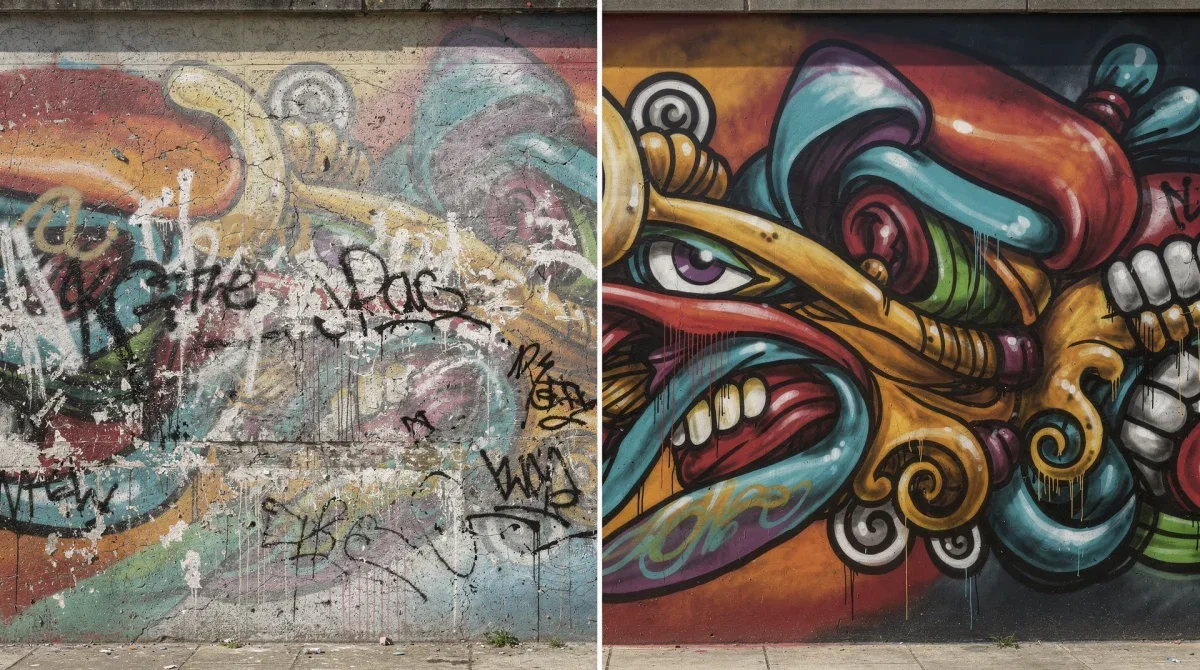
Standardized evaluation procedures can help stakeholders compare products using relevant characteristics such as appearance, adhesion, weathering resistance, and performance during cleaning.
However, protective coating recommendations must also account for the specific painting materials, substrate conditions, artistic intentions, and environmental exposure of individual murals.
Reliable conservation decisions require both comparable technical data and professional interpretation rather than depending exclusively on generalized laboratory results or manufacturer advertising.
Comparison of mural preservation clear coats
The four protective coating categories described in this guide provide different approaches to managing graffiti exposure, visual preservation, and recurring maintenance requirements.
Individual products may perform differently from general material expectations, making technical documentation and representative testing essential before selecting a protective treatment.
The following table summarizes potential characteristics and important considerations without assigning unsupported performance rankings or claiming verified ten-year test results.
Key Point | Brief Description |
|---|---|
Testing Objective | Evaluate four protective coating categories to support a ten-year mural conservation and maintenance strategy. |
Polyurethane Coatings | Potential abrasion and chemical resistance, with formulation-dependent visual changes and application requirements. |
Fluoropolymer Coatings | Potential low surface energy and cleaning resistance. Review chemical composition and environmental considerations. |
Siloxane Coatings | Potential water repellency and vapor permeability, with graffiti resistance dependent on the specific formulation. |
Sacrificial Wax Coatings | Removable protective layers that generally require reapplication following compatible graffiti removal procedures. |
Key Performance Factors | Graffiti resistance, ultraviolet stability, adhesion, visual compatibility, moisture management, and cleaning durability. |
Accelerated Weathering | Provides comparative material performance information without guaranteeing equivalent years of outdoor service. |
Surface Preparation | Assess existing deterioration, material compatibility, paint curing, and environmental conditions before treatment. |
Maintenance Costs | Consider installation, inspection, cleaning, reapplication, and potential restoration expenses over the planned service period. |
Historic Masonry | Requires specialist evaluation because protective treatments may alter appearance or contribute to material deterioration. |
Environmental Safety | Review chemical composition, safety data sheets, applicable requirements, and responsible residue disposal procedures. |
Expected Impact | Potential improvements in mural protection and maintenance efficiency when compatible products are properly selected. |
Next Steps | Conduct representative testing, obtain professional recommendations, and establish an adaptable maintenance plan. |
Frequently Asked Questions About Mural Preservation
What is the primary goal of testing anti-graffiti clear coats?
The objective is to identify protective treatments that provide suitable cleaning resistance, environmental durability, visual compatibility, and manageable maintenance requirements without damaging the original mural.
How are protective clear coats tested for durability?
Potential evaluation methods include representative test panels, accelerated weathering, outdoor exposure assessments, adhesion testing, color measurements, and repeated cleaning procedures under controlled conditions.
What are the key benefits of using anti-graffiti clear coats?
Compatible protective coatings may make graffiti removal easier, reduce certain types of surface damage, and support long-term conservation. Actual benefits depend on the selected formulation and maintenance practices.
Will protective coatings alter the appearance of murals?
They can. Transparent coatings may change gloss, texture, color saturation, or reflective properties. Representative sample testing helps identify these effects before treating the complete artwork.
What are the four main types of mural preservation clear coats?
Four useful categories for comparison are polyurethane-based, fluoropolymer-based, siloxane-based, and sacrificial wax-based coatings. Each category includes products with different technical characteristics.
Can anti-graffiti coatings protect murals for ten years?
Some systems may provide extended protection under appropriate conditions, but ten years cannot be guaranteed universally. Regular inspections, cleaning, repairs, and coating renewal may be necessary.
Which anti-graffiti coating is best for outdoor murals?
There is no universally superior coating. Selection depends on the original paint, substrate, environmental conditions, visual requirements, cleaning methods, and available maintenance resources.
What is the difference between permanent and sacrificial coatings?
Permanent coatings are intended to remain during multiple compatible cleaning procedures, while sacrificial coatings are generally removed together with unwanted markings and subsequently reapplied.
Can polyurethane coatings prevent mural fading?
Selected exterior-grade polyurethane formulations may provide ultraviolet resistance. However, they cannot guarantee complete prevention of pigment fading or other forms of environmental deterioration.
Are siloxane coatings suitable for every masonry mural?
No. Suitability depends on the characteristics of the masonry, original paint, moisture conditions, formulation, and intended protection. Professional assessment is important for sensitive or historic surfaces.
Why is vapor permeability important for mural preservation?
Some masonry walls need to release moisture through their surfaces. Incompatible coatings that restrict this process may contribute to blistering, peeling, or deterioration of underlying materials.
Can accelerated weathering prove that a coating lasts ten years?
Not by itself. Accelerated testing provides information about material behavior under selected conditions, but outdoor service life depends on additional environmental and maintenance factors.
How much does an anti-graffiti coating cost?
Costs vary according to product selection, mural dimensions, surface condition, professional labor, access requirements, and maintenance procedures. Obtain project-specific estimates before making financial comparisons.
How often should protected murals be inspected?
Inspection frequency should reflect environmental exposure, product requirements, artwork condition, and risk of damage. Additional inspections after severe weather or vandalism may be appropriate.
Can protective coatings be applied to historic murals?
Potentially, but historic artworks require careful professional assessment. Inappropriate coatings can alter appearance, restrict moisture movement, and complicate future conservation treatments.
Are anti-graffiti coatings environmentally friendly?
Environmental characteristics vary by formulation and maintenance requirements. Review chemical disclosures, safety documentation, application procedures, and waste management considerations before selecting a product.
Do sacrificial coatings need to be reapplied after cleaning?
Generally, yes. Sacrificial protective layers are designed to be removed during compatible cleaning procedures and must usually be restored to maintain their intended protective function.
Can pressure washing safely remove graffiti from a protected mural?
Not necessarily. Even protected artworks may be damaged by inappropriate water pressure or cleaning techniques. Consult a conservator and follow approved, tested procedures.
What is the expected impact of improved mural protection?
Appropriate protective systems may help preserve artistic details, support manageable maintenance, and reduce certain conservation expenses. These outcomes depend on actual product performance and maintenance conditions.
Conclusion: Protecting legal exterior murals for the long term
Choosing suitable mural preservation clear coats requires careful comparison of protective materials, environmental conditions, visual characteristics, application requirements, and long-term maintenance responsibilities.
Polyurethane, fluoropolymer, siloxane, and sacrificial wax-based coatings offer different protection strategies that should be evaluated through appropriate testing and professional conservation guidance.
By combining compatible protective treatments with regular inspections, responsible cleaning, and realistic maintenance planning, communities can work toward preserving exterior murals for future generations.