Reduce Spray Paint Expenses 25%: Reusable Caps & Adapters
Advertisements
How to Reduce Spray Paint Expenses by 25% Using Reusable Cap Cleaning Solvents and Valve Adapters explores practical ways to control aerosol painting costs through careful nozzle maintenance, compatible adapters, better storage, and reduced material waste. A 25% reduction can serve as a budgeting goal, although actual savings depend on individual purchasing habits and project requirements.
Learning how to reduce spray paint expenses can make a meaningful difference for graffiti artists, mural painters, creative studios, and DIY enthusiasts who regularly purchase aerosol products.
Spray paint costs extend beyond the price of individual cans because replacement caps, wasted paint, damaged equipment, and unnecessary purchases can gradually increase project expenses.
By improving maintenance habits, selecting compatible accessories, and monitoring material consumption, artists can identify opportunities to spend less without automatically sacrificing creative flexibility or painting quality.
The Immediate Impact of Smart Spray Paint Management
Managing spray paint supplies more efficiently begins with understanding how frequently cans, caps, and cleaning materials are purchased during ordinary painting projects.
Artists who experience clogged nozzles, inconsistent spray patterns, or unnecessary product waste may benefit from reviewing their equipment maintenance and storage practices.
The objective is to reduce spray paint expenses through repeatable improvements rather than relying on unsupported claims that every artist can achieve the same percentage of savings.
Understanding the Core Strategies to Reduce Spray Paint Expenses
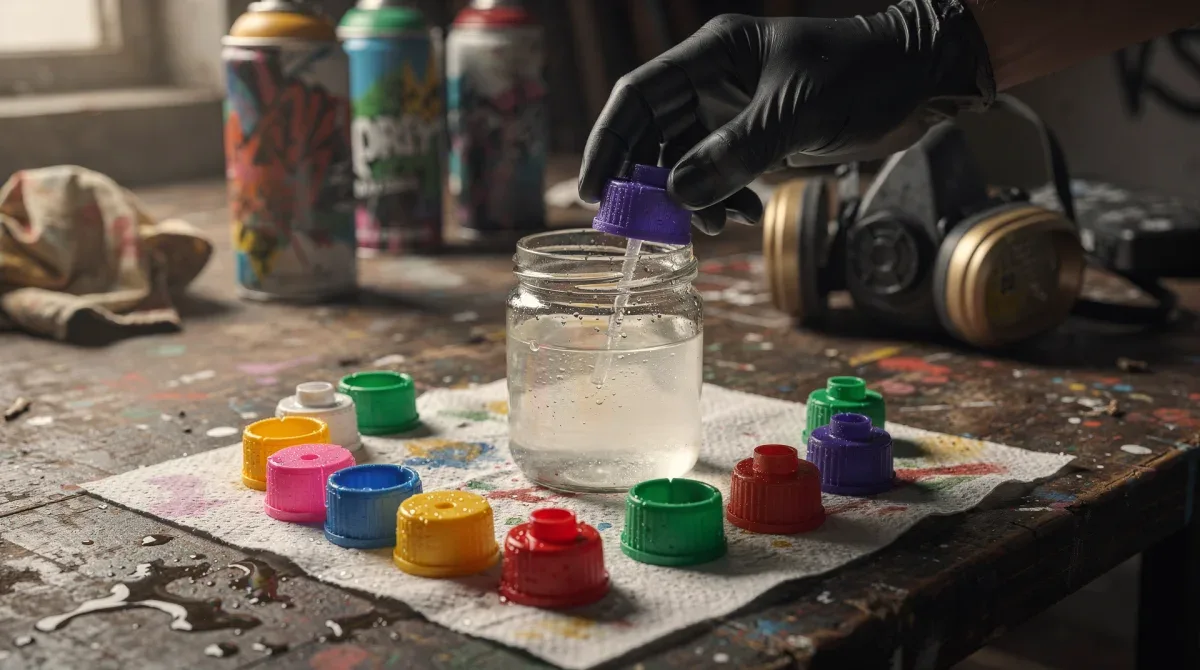
Two practical areas worth evaluating are nozzle maintenance and accessory compatibility, especially when artists use different spray can brands or frequently switch between spray patterns.
Cleaning compatible reusable caps may extend their useful life, while suitable valve adapters can provide additional flexibility when working with aerosol products that have different fittings.
These approaches can help reduce spray paint expenses, but their effectiveness depends on the materials used, manufacturer instructions, and whether cleaning or replacement is more economical.
The Role of Reusable Cap Cleaning Solvents
Spray paint caps can become clogged when paint residue dries inside the nozzle, affecting the spray pattern and sometimes making the component difficult to reuse.
Some artists clean compatible caps with products designed for removing paint residue, although strong solvents may damage certain plastics or create additional safety concerns.
Understanding proper aerosol painting and maintenance practices can help users determine when cleaning is appropriate and when replacing a damaged cap is the safer option.
Maximizing Efficiency with Valve Adapters
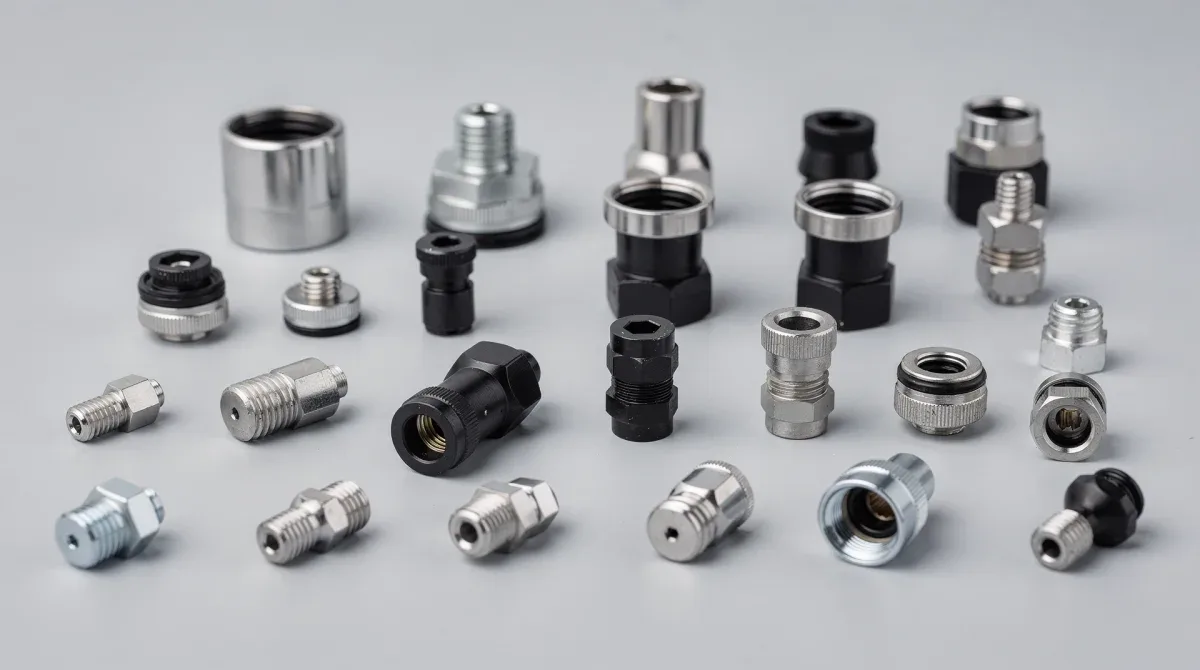
Valve adapters are accessories that may allow certain spray paint caps to work with cans using different compatible valve configurations.
Compatibility is essential because not every adapter fits every aerosol can, and forcing an unsuitable component can damage equipment or cause unintended paint release.
When correctly matched to the manufacturer's specifications, adapters may help reduce spray paint expenses by allowing artists to use appropriate existing accessories instead of purchasing unnecessary replacements.
Operationalizing Savings: Practical Steps for Artists
Developing an organized maintenance routine can help artists monitor equipment condition and identify recurring problems that lead to unnecessary spending.
Before adopting new cleaning products or adapters, review the aerosol manufacturer's recommendations and determine whether the intended components are suitable for reuse.
A consistent approach can reduce spray paint expenses over time by improving purchasing decisions, limiting avoidable waste, and keeping functional accessories organized.
Setting Up a Cap Cleaning Station
A dedicated cleaning area can make equipment maintenance easier, provided the space is appropriate for the chemicals involved and follows relevant ventilation and fire-safety requirements.
Keep compatible tools, manufacturer-approved cleaning materials, protective equipment, and clearly labeled containers organized so that maintenance activities do not interfere with painting operations.
Because many cleaning solvents are flammable, avoid open flames, sparks, unsuitable electrical equipment, and unapproved storage containers when handling or storing these products.
Workspace: Choose an appropriate location with ventilation suitable for the products being used.
Cleaning Products: Follow manufacturer instructions and verify compatibility with cap materials.
Protective Equipment: Use gloves and other protection specified by the product safety information.
Storage: Keep cleaning products in suitable, clearly labeled containers away from ignition sources.
Advanced Techniques for Maximizing Spray Paint Longevity
Efficient spray painting involves maintaining not only removable caps but also the condition of the cans, the quality of stored materials, and the suitability of accessories.
Paint products can behave differently depending on formulation, temperature, storage conditions, and the equipment used during application.
Artists aiming to reduce spray paint expenses should prioritize consistent results, safe handling, and manufacturer guidance rather than experimenting with modifications that could compromise aerosol container safety.
Optimal Storage and Maintenance of Spray Cans
Spray paint cans should generally be stored according to their labels, away from excessive heat, direct sunlight, ignition sources, and conditions that could damage pressurized containers.
Some manufacturers recommend clearing removable nozzles after use, but procedures vary by product, and users should not assume that inverting every can is appropriate.
Proper storage helps preserve usable materials and can reduce spray paint expenses by minimizing avoidable product damage and preventing unnecessary replacement purchases.
Leveraging Universal Valve Adapters for Diverse Applications
Although some accessories are marketed as universal adapters, their actual compatibility depends on the valve design, can specifications, and nozzle configuration.
Artists should verify the intended application before installing an adapter, avoiding forced connections or modifications to the pressurized aerosol container.
Learning about different spray cap patterns and performance characteristics can support more informed accessory selection and help minimize unwanted overspray.
Compatibility: Confirm that adapters are suitable for the specific can and cap combination.
Spray Patterns: Select appropriate accessories for detailed work or larger surface coverage.
Inspection: Replace cracked, damaged, or poorly fitting components.
Manufacturer Guidance: Avoid unapproved changes to valves or pressurized equipment.
The Financial and Environmental Benefits of Sustainable Practices
Extending the useful life of appropriate accessories can reduce the frequency of replacement purchases and potentially decrease the amount of material discarded after painting projects.
However, cleaning products also have costs and environmental impacts, meaning that reusing a component is not automatically preferable in every situation.
To reduce spray paint expenses responsibly, artists should compare the cost of maintenance with replacement and follow the U.S. Environmental Protection Agency's official guidance on household hazardous waste when evaluating safe disposal options for leftover solvents and related products.
Calculating Your Potential Savings
A useful cost comparison begins with recording how much you currently spend on aerosol paint, replacement caps, adapters, and cleaning materials during a typical month.
For example, an artist spending $200 monthly could establish a 25% reduction target of $50, resulting in a proposed budget of $150.
Achieving that target is not guaranteed, but tracking purchases and material use can reveal whether specific practices actually reduce spray paint expenses enough to justify their costs.
Case Studies: Success Stories in Reducing Spray Paint Expenses
Different painting projects require different quantities of paint, making it difficult to establish a universal savings percentage without reliable purchasing records.
Independent graffiti artists, mural teams, and creative workshops may have different opportunities to save depending on project size, equipment preferences, and purchasing frequency.
Rather than assuming that particular methods produce identical results, artists can evaluate their own expenses before and after introducing compatible maintenance practices.
Artist Testimonials and Workshop Data
Claims that specific percentages of artists achieved particular savings should be supported by identifiable surveys, documented purchasing records, or transparent research methods.
Without that evidence, statements about widespread 20% or 30% savings should be treated as hypothetical examples rather than verified results from professional workshops.
A more dependable way to reduce spray paint expenses is to maintain a simple spending log that records cap replacements, paint purchases, cleaning costs, and avoidable material waste.
Overcoming Challenges and Common Misconceptions
One common misconception is that every spray paint cap can be cleaned repeatedly without affecting its performance or structural integrity.
In reality, some nozzles may become damaged, distorted, or incompatible with particular solvents, making replacement more practical than attempting further cleaning.
Another misunderstanding is that any valve adapter will improve spray performance. Results depend on equipment compatibility, and unsuitable accessories may increase waste instead of helping reduce spray paint expenses.
Ensuring Safety and Proper Disposal
Spray paints and cleaning solvents can produce hazardous vapors, and some products are highly flammable, making appropriate ventilation, safe storage, and careful handling essential.
Used solvents and paint-contaminated materials should be managed according to product instructions and local waste regulations, rather than poured into drains or discarded without consideration.
Artists can reduce spray paint expenses while protecting themselves and their surroundings by avoiding unsafe shortcuts and including responsible chemical handling in their overall project planning.
Key Point | Brief Description |
|---|---|
Cap Cleaning Solvents | Compatible cleaning products may extend the life of reusable caps when used safely. |
Valve Adapters | Suitable adapters may increase accessory compatibility without altering pressurized containers. |
Cost Savings | A 25% expense reduction can be a planning target, but actual savings require individual measurement. |
Environmental Impact | Appropriate reuse can reduce replacement waste, while solvents require responsible handling and disposal. |
Frequently Asked Questions About Reducing Spray Paint Costs
How much can I realistically save by using these methods?▼
Actual savings depend on how frequently you purchase replacement caps, the price of cleaning materials, and whether compatible adapters prevent unnecessary purchases. A 25% reduction can serve as a budget goal, but it should not be treated as a guaranteed outcome.
Are cap cleaning solvents safe for all spray paint caps?▼
No. Cleaning products may react differently with various plastics and nozzle materials. Always check manufacturer guidance and product safety information before attempting to clean a cap. Replace components that show visible damage or poor performance.
Do valve adapters affect spray quality or consistency?▼
Compatible adapters may offer additional cap options, but they do not automatically improve spray quality or reduce paint consumption. An unsuitable adapter can cause poor fitting or unpredictable application, so verify compatibility before use.
What is the best way to store cleaned caps?▼
Store reusable caps according to the manufacturer's recommendations after ensuring that cleaning residues have been appropriately removed and the components are suitable for reuse. Keep accessories organized, away from excessive heat, and separate damaged items from functional equipment.
Can these methods be applied to all brands of spray paint?▼
No universal compatibility can be assumed. Spray can valves, cap materials, and approved cleaning procedures vary across manufacturers. Users should confirm that cleaning products and adapters are appropriate for the specific aerosol system before using them.
Looking Ahead: The Future of Sustainable Spray Painting
Responsible equipment maintenance and material planning can help artists manage costs while reducing avoidable purchases and unnecessary waste during their creative projects.
As more painters consider resource efficiency, the use of compatible accessories and careful purchasing decisions may become increasingly relevant across graffiti art, murals, and other aerosol painting applications.
Ultimately, the most reliable way to reduce spray paint expenses is to combine safe maintenance, appropriate equipment selection, and accurate spending records instead of depending on unverified savings claims.