Master Can Control Drills: Eliminate Drips, Achieve 1-Inch Flares
Advertisements
Can Control Drills explores how structured spray painting practice can improve line consistency, reduce unwanted paint buildup, and develop controlled changes in stroke width.
Can Control Drills help artists develop practical skills involving spray distance, movement speed, nozzle selection, and trigger control. These techniques are useful for anyone learning graffiti lettering, decorative spray painting, or detailed aerosol artwork.
Whether you are a beginner or an experienced graffiti artist, a consistent training routine can make it easier to recognize mistakes and develop more predictable results on permitted practice surfaces.
This 30-day guide explains how to practice with a spray can, reduce drips, create controlled flares, and evaluate progress while following appropriate aerosol painting safety precautions.
Understanding the Fundamentals of Can Control
Effective Can Control Drills begin with understanding how the paint leaves the nozzle and reaches the surface. Spray patterns change according to pressure, cap design, distance, and movement.
Different spray paint formulations may produce noticeably different results, especially when comparing products designed for broad coverage with those intended for more detailed artistic applications.
Artists should also consider how temperature affects aerosol paint, since environmental conditions can influence flow, drying behavior, and the appearance of finished lines.
The Science of Spray and Surface Interaction
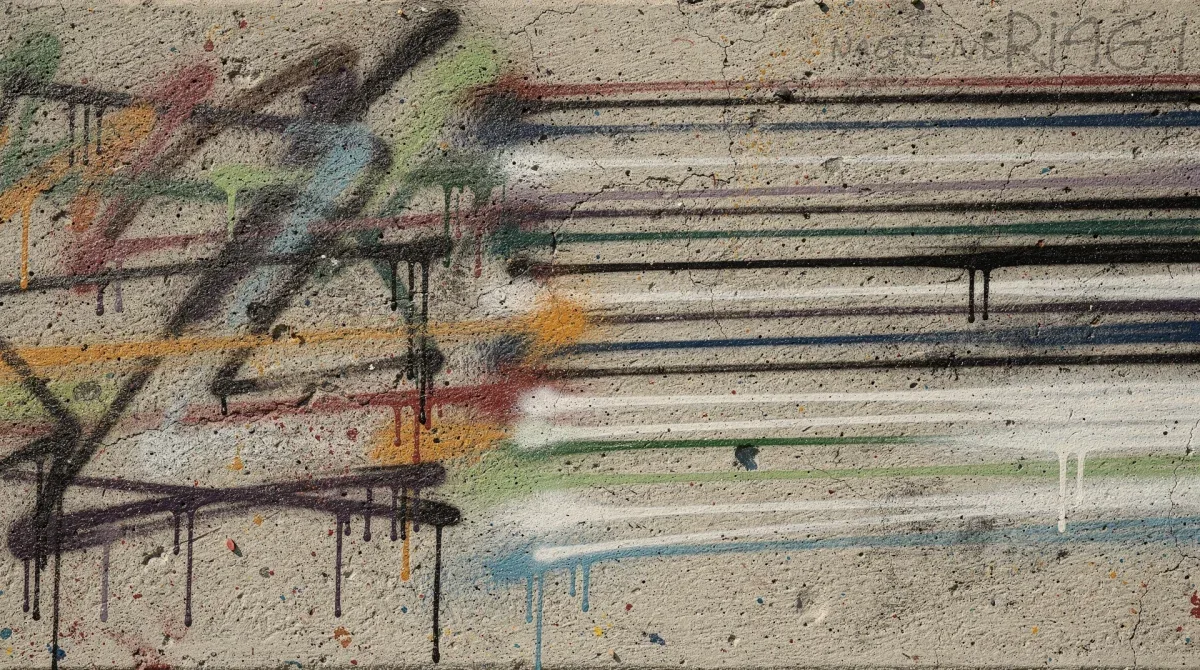
Spray paint is dispersed into droplets that travel toward the surface, forming a pattern determined by the nozzle and the movement of the artist's hand.
Holding the can too close or moving too slowly can deposit excessive paint in a small area, increasing the likelihood of runs, while excessive distance may create a softer edge and more overspray.
During Can Control Drills, experiment with one variable at a time on cardboard or a permitted practice panel, allowing each test to reveal how distance and speed affect the finished stroke.
Spray Distance: Influences line width, edge definition, and paint concentration.
Movement Speed: Determines how much material accumulates along a stroke.
Nozzle Design: Affects the shape and width of the spray pattern.
Surface Texture: Influences paint absorption, adhesion, and edge appearance.
The 30-Day Routine: Structure and Progression
A structured month of Can Control Drills provides opportunities to practice foundational movements before introducing more demanding lettering and flare techniques.
Rather than attempting complicated effects immediately, artists can dedicate each week to a specific objective and evaluate whether their movements are becoming more consistent.
Progress depends on experience, materials, and practice conditions, so the following schedule should be treated as a flexible training plan rather than a guarantee of professional results within 30 days.
Week 1: Foundations and Straight Lines
During the first seven days, focus on basic grip, smooth arm movements, and starting and stopping strokes without leaving noticeable paint deposits at their endpoints.
Use a practice board divided into sections, repeating horizontal and vertical lines while maintaining consistent movement speed and working distance.
These introductory Can Control Drills establish reference points that will help you identify improvements when more advanced exercises are introduced during subsequent weeks.
Days 1–3: Practice basic grip, short controlled bursts, and smooth trigger release.
Days 4–7: Repeat straight horizontal and vertical lines, comparing edge quality and thickness.
Days 8–10: Practice consistent curved strokes while maintaining steady arm movement.
Days 11–14: Compare different movement speeds and identify conditions that cause paint buildup.
Days 15–17: Introduce thin-to-wide and wide-to-thin transitions using controlled movements.
Days 18–21: Practice flare widths using the same cap and similar working conditions.
Days 22–25: Combine straight lines, curves, and flares into simple lettering exercises.
Days 26–29: Repeat difficult strokes and compare results with earlier practice samples.
Day 30: Complete a final practice panel and evaluate consistency, drips, and line definition.
Eliminating Drips: Advanced Techniques
Preventing paint drips is one of the main objectives of Can Control Drills, especially when practicing detailed lettering and working with surfaces that absorb little paint.
Drips commonly develop when an excessive amount of liquid paint accumulates before it can settle or dry sufficiently, often because the artist pauses or moves too slowly.
Improving spray distance, movement consistency, and coating thickness can reduce this problem, although paint viscosity and surface conditions also affect the final result.
Drip Prevention Strategies
Begin by practicing short strokes without allowing the spray to remain concentrated in one location. Smooth movement helps distribute the material more evenly.
If you notice recurring drips, adjust only one element at a time, such as distance or movement speed, to identify which change improves the result.
Regular Can Control Drills help build awareness of how much paint is being applied, making it easier to prevent unnecessary accumulation before it becomes a visible run.
Maintain Movement: Avoid stopping over the same area while continuing to spray.
Control Distance: Test the distance recommended for the can and desired effect.
Release Smoothly: Stop spraying cleanly at the end of each stroke.
Use Thin Layers: Follow the paint manufacturer's instructions for coating thickness and drying.
Artists dealing with repeated paint runs can also study practical methods for fixing paint drips, particularly when the coating must be corrected after drying.
Achieving Razor-Sharp 1-Inch Flares
A 1-inch flare is a spray-painted stroke that expands to approximately one inch in width before narrowing again, producing a dynamic effect commonly associated with expressive graffiti lettering.
Although the result may appear simple, the technique requires coordinated movement, an appropriate cap, and an understanding of how spray distance affects line width and edge softness.
Advanced Can Control Drills should therefore focus on repeatable transitions rather than expecting every can and nozzle combination to produce an identical one-inch mark.
Flare Drills and Precision Exercises
Start by practicing smooth curved movements and gradually introducing changes in spray width, using a controlled motion across the practice surface.
Moving the nozzle farther from the surface generally produces a broader, softer spray pattern, while moving closer can create a narrower and more concentrated mark, although the precise effect depends on the cap.
For Can Control Drills focused on flares, mark a one-inch reference on your practice panel and compare repeated strokes to identify the movements that provide the most consistent transitions.
Controlled Wrist Motion: Practice smooth changes in direction without abrupt stops.
Distance Variation: Observe how spray width changes as the can moves closer or farther away.
Stroke Tapering: Develop gradual transitions between narrower and wider sections.
Width Reference: Use a measured guide to evaluate approximate one-inch flares.
Precision improves when the artist repeats manageable exercises and evaluates the results rather than changing caps, paints, and techniques simultaneously.
Optimizing Equipment for Better Control
Equipment selection can influence the results of Can Control Drills, particularly when artists are working toward consistent fine lines and controlled flare effects.
Spray paint brands differ in formulation, pressure, valve response, and recommended application conditions, so artists should become familiar with their chosen materials.
Safety is equally important. The National Institute for Occupational Safety and Health guidance on paints and surface coatings emphasizes ventilation, appropriate protective equipment, and avoiding spray painting in unventilated or enclosed spaces.
Choosing the Right Tools
For detailed strokes, a suitable spray cap can help control pattern width, although results vary according to paint formulation and working distance.
Skinny caps are commonly associated with narrower strokes, while fat caps provide broader coverage. Specialized calligraphic caps may produce distinctive spray shapes when used at different angles.
For safer Can Control Drills, use permitted practice areas, follow label and safety data sheet instructions, keep aerosols away from ignition sources, and select respiratory protection appropriate to the specific exposure.
Skinny Caps: Useful for experimenting with finer spray patterns.
Fat Caps: Suitable for broader lines and filling larger areas.
Calligraphic Caps: Can produce specialized shapes depending on orientation.
Practice Surfaces: Use authorized boards or other compatible materials.
Always follow the manufacturer's storage instructions, and never attempt to heat aerosol cans to change their pressure or spray characteristics.
Maintaining Consistency and Overcoming Plateaus
Skill development rarely follows a perfectly predictable schedule, and artists may experience periods when their lines or flares seem inconsistent despite repeated practice.
Instead of increasing the amount of paint used, evaluate the techniques that are causing difficulty and return to simpler movements whenever necessary.
Consistent Can Control Drills become more useful when progress is measured through specific observations, such as fewer drips, more even lines, or improved control of stroke transitions.
Strategies for Continuous Improvement
Photographing completed practice panels provides a simple way to compare results across several sessions without relying entirely on memory.
For more detailed analysis, record short videos of hand movements and review whether the can remains at a consistent angle and distance during each stroke.
When following Can Control Drills, set achievable practice objectives and keep notes about the cap, paint, surface, and conditions used so improvements can be repeated.
Track Progress: Photograph practice panels and record visible improvements.
Set Small Goals: Focus on one measurable technique at a time.
Repeat Difficult Movements: Return to foundational exercises when necessary.
Request Feedback: Ask experienced artists to review line consistency and overall technique.
The Impact of Can Control on Artistic Expression
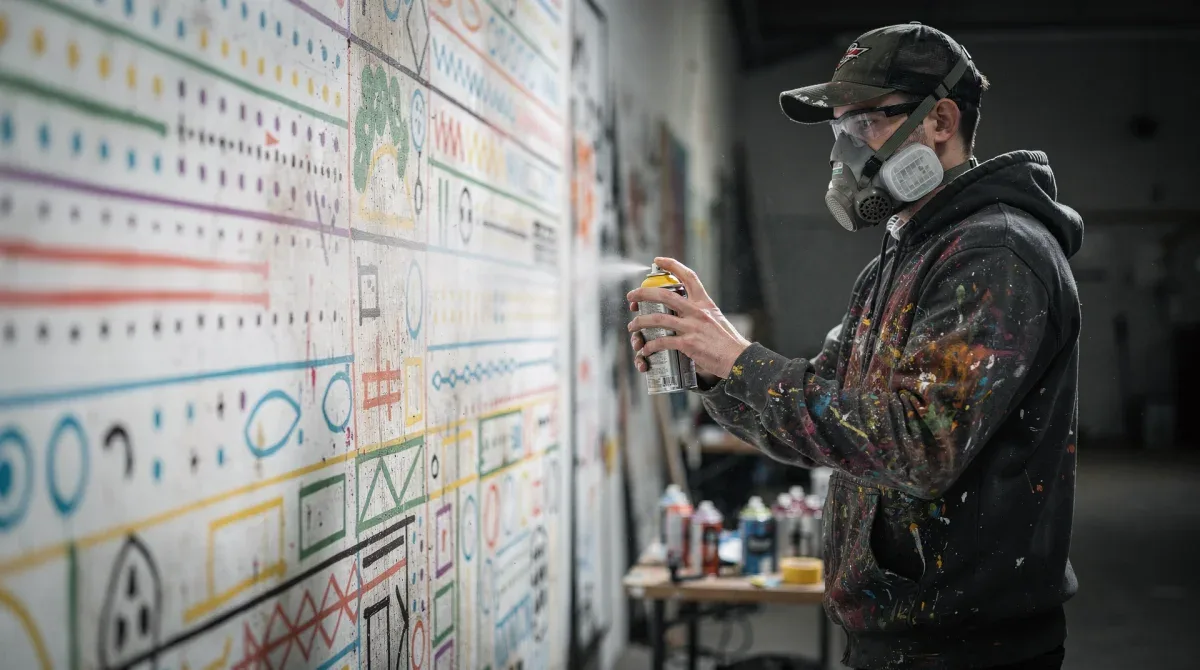
Improving technical control can expand the range of visual effects available to artists, particularly when creating detailed lettering, layered compositions, and distinctive line variations.
When basic movements become more predictable, artists can dedicate greater attention to composition, color relationships, and the expressive qualities of their work.
Consistent Can Control Drills support this creative process by helping artists develop a more reliable connection between intended movements and the marks produced on a surface.
Elevating Your Graffiti Art
Technical improvement can help artists incorporate sharper outlines, controlled curves, and varied stroke widths into compositions that reflect their individual styles.
Practicing these skills on authorized surfaces also provides opportunities to experiment freely without the pressure of completing a large mural or permanent installation.
As Can Control Drills become part of an artist's routine, improved control may support more ambitious lettering and decorative projects while preserving room for experimentation and creative expression.
Detailed Lettering: Develop more consistent outlines and transitions.
Dynamic Effects: Experiment with changes in spray width.
Cleaner Execution: Reduce avoidable drips and paint buildup.
Creative Exploration: Apply technical skills to different artistic styles.
Key Skill | Benefit |
|---|---|
Drip Elimination | Helps reduce paint accumulation and improve the appearance of finished lines. |
1-Inch Flares | Develops control over stroke width and expressive line transitions. |
Consistent Pressure | Supports more predictable paint application and improved trigger control. |
Equipment Optimization | Helps artists select suitable caps, paint formulations, and practice materials. |
Frequently Asked Questions About Can Control Drills
What are Can Control Drills?▼
Can Control Drills are structured spray painting exercises that help artists practice line consistency, nozzle control, movement speed, and changes in spray width. They are commonly used to develop cleaner strokes and improve confidence when working with aerosol paint.
How long does it take to see results from this 30-day routine?▼
Progress varies according to previous experience, practice frequency, materials, and technique. Some artists may notice improvements during the first few sessions, while others may require additional practice. Completing 30 days does not guarantee professional-level results or identical one-inch flares.
Can I adapt the routine if I'm a beginner?▼
Yes. Beginners can dedicate additional sessions to foundational movements, straight lines, and controlling paint buildup before practicing advanced flare effects. The schedule is flexible, and repeating earlier exercises is appropriate whenever a technique remains difficult.
What equipment is essential for these drills?▼
Basic materials include compatible aerosol paint, appropriate spray caps, and authorized practice surfaces such as cardboard or prepared boards. Follow product safety instructions, work in suitable conditions with appropriate ventilation, and use protective equipment based on the specific paint and exposure risks.
How do I prevent drips when painting intricate details?▼
Keep the can moving smoothly, avoid excessive paint buildup, and use appropriate distance and coating thickness. Allow layers to dry according to the manufacturer's instructions. Repeated Can Control Drills can help identify which movements and spray settings produce more consistent detailed strokes.
Perspectives
Can Control Drills provide a practical framework for artists interested in improving spray painting precision through repeatable exercises and careful observation.
As artists refine their technique, they can apply these skills to different approaches within graffiti art, including detailed lettering, decorative compositions, and larger authorized projects.
Ultimately, a successful routine combines regular practice, suitable materials, appropriate safety precautions, and an understanding that creative improvement continues well beyond any individual training schedule.